Tenerife is one of Spain’s most complete year-round destinations, thanks to its pleasant climate and mix of natural landscapes, beaches, and charming towns. This makes it perfect for both short breaks and longer holidays.
In this guide, we’ve gathered all the essential information to plan your trip with ease. You’ll find recommendations for must-see attractions, lesser-known spots, insights into the island’s history, top traditional dishes, and practical tips for getting around and making the most of your stay.
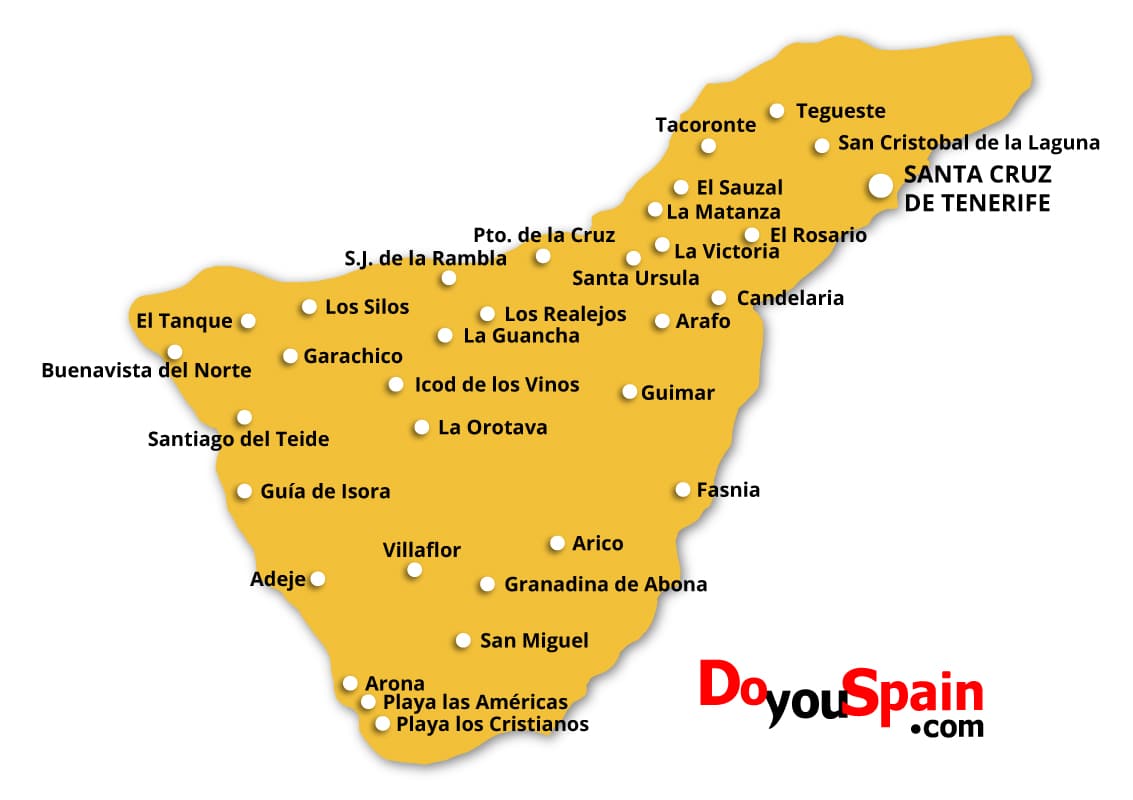
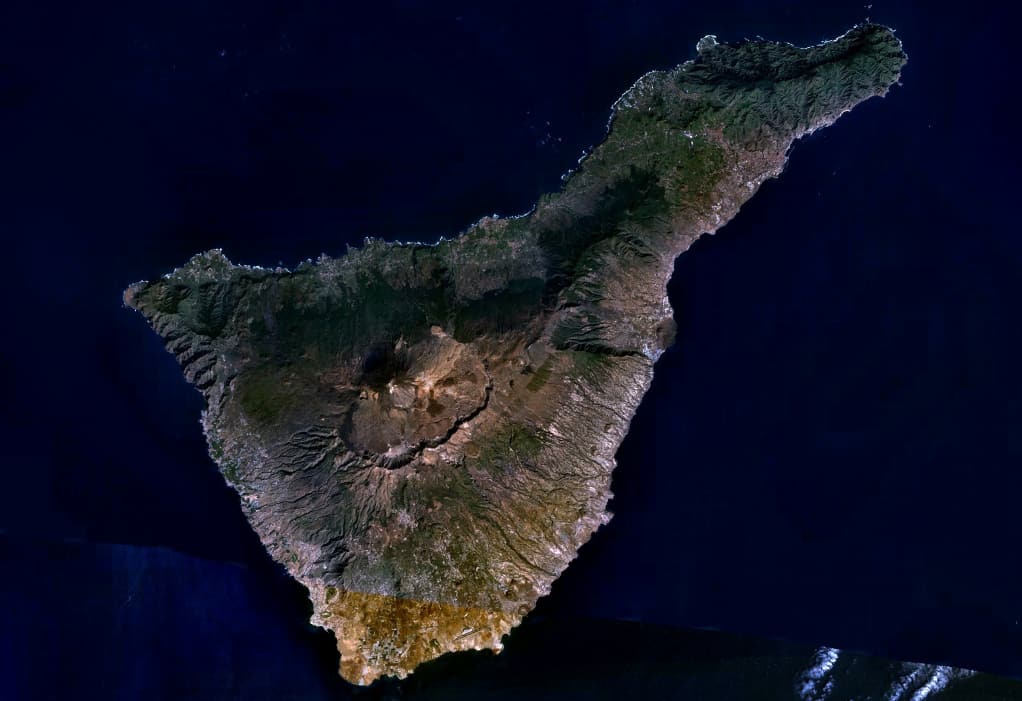
Tenerife is the largest of the Canary Islands, located in the Atlantic Ocean about 1,300 km from mainland Spain and around 300 km from the African coast. Covering 2,034 km², the island has a distinctive triangular shape.
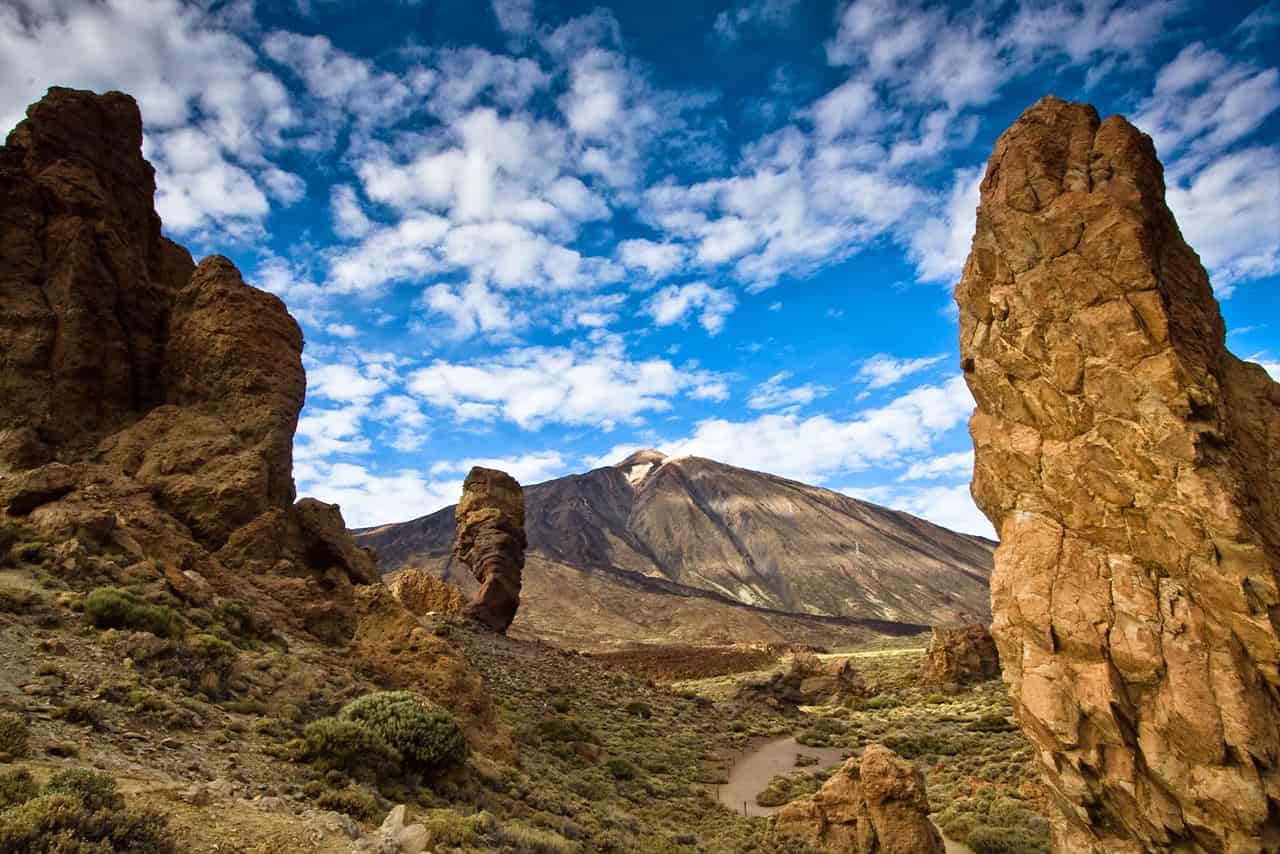
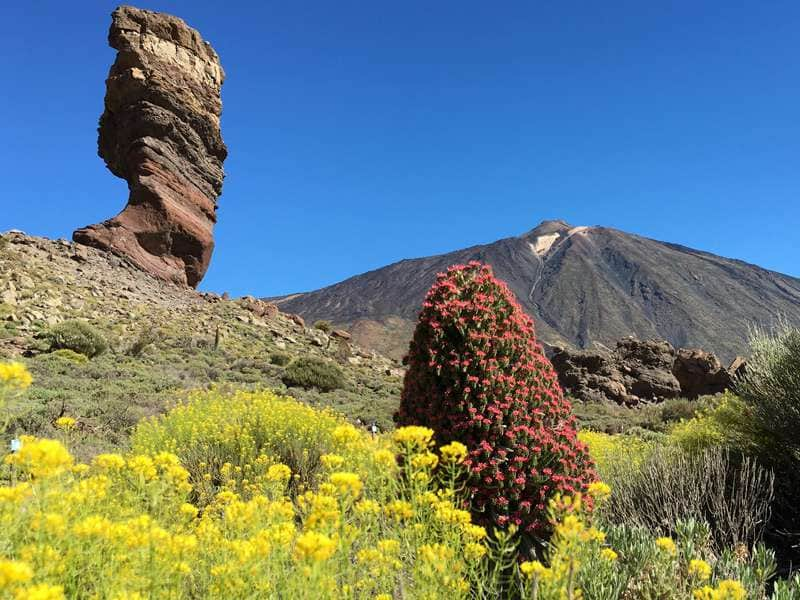
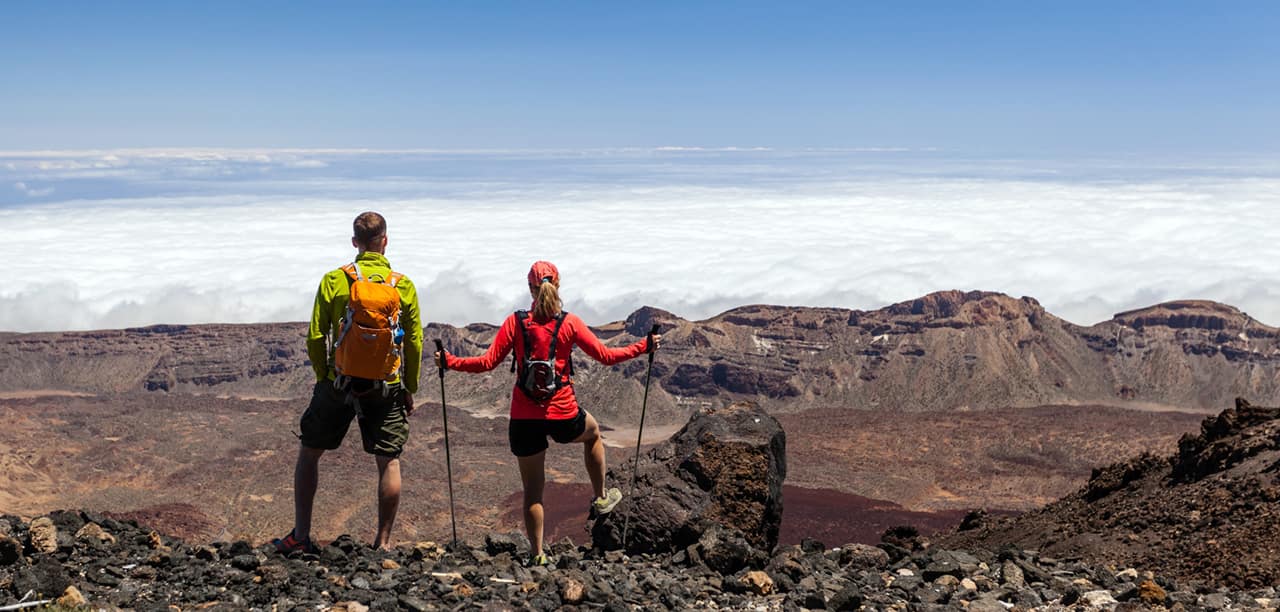
Volcanic in origin, Tenerife is home to Spain’s highest peak, Mount Teide, which rises to 3,718 metres. The volcano sits within Teide National Park, a protected area famous for its unique scenery and one of the finest examples of a high-altitude volcanic ecosystem in the world.
Tenerife has two airports providing easy access from different points. Tenerife South – Reina Sofía Airport, in Granadilla de Abona, is about 60 km from Santa Cruz de Tenerife and is the main hub for international flights. Opened in the late 1970s, it features modern facilities, ample parking, and a wide range of shops and restaurants.
Tenerife North – Los Rodeos Airport is just 11 km from Santa Cruz, in La Laguna, mainly offering inter-island flights but also some international routes. Its new terminal offers dining options, shopping, banking services, and parking for around 1,000 vehicles.
Tenerife is renowned for its exceptional natural heritage, with protected areas of great ecological and scenic value. Teide National Park is the island’s highlight, a volcanic landscape home to numerous endemic species. The island hosts around 140 plant species found nowhere else in the world.
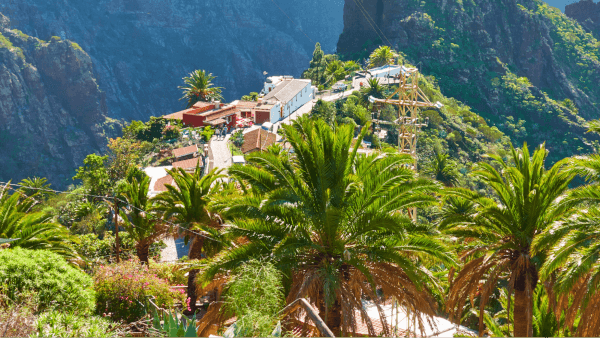
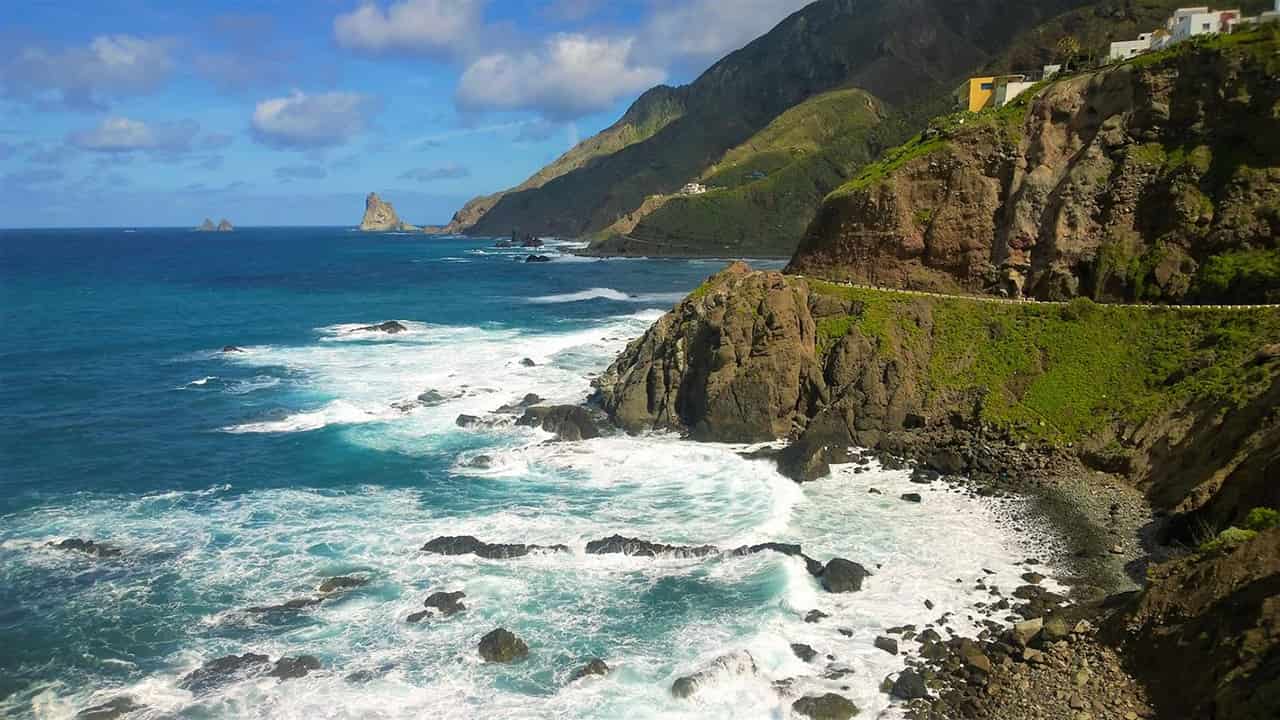
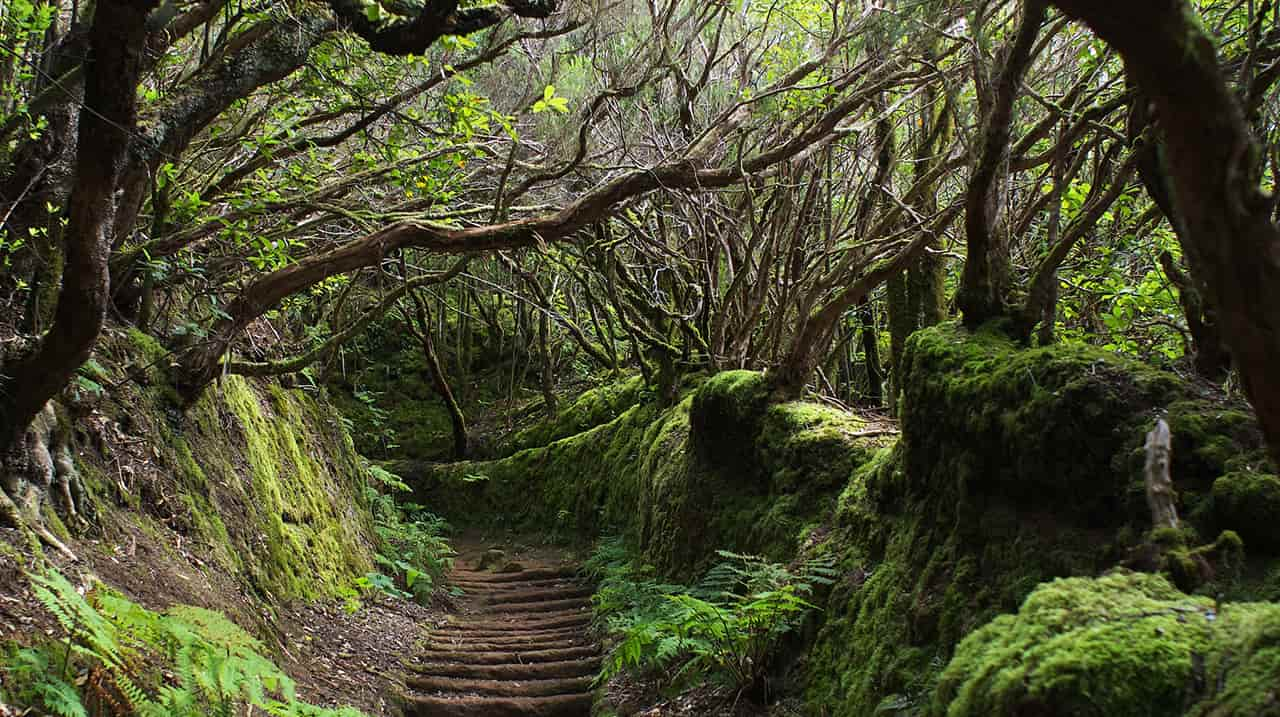
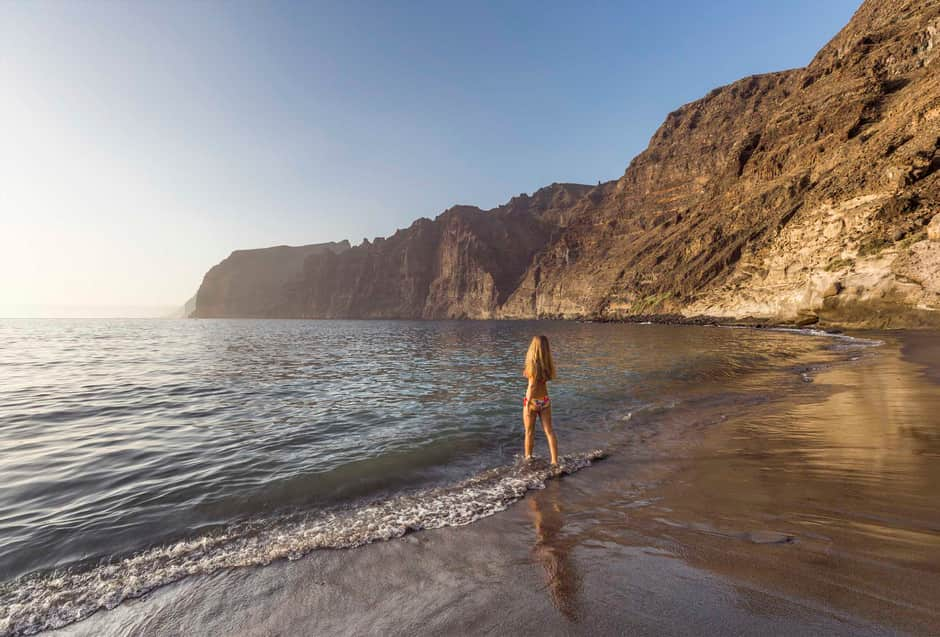
Exploring Tenerife by car allows you to reach other incredible natural spots, like the Anaga Rural Park, known for its cliffs, rocky formations, vegetation, and seabird habitats. The Teno Rural Park, an ancient volcanic massif, is famous for its dramatic coastal cliffs, including the towering Los Gigantes cliffs. In the south, the Barranco del Infierno in Adeje is a popular hiking trail, while the Güímar Pyramids are among the Canary Islands’ most unique sites, thought to have served as ancient astronomical observatories.
Teide National Park is one of Tenerife’s most iconic natural spaces and a prime example of a high-altitude volcanic landscape. Designated a national park in 1954, it covers nearly 19,000 hectares and is home to Mount Teide, Spain’s tallest mountain at 3,718 metres. The last eruption occurred in 1798.
The peak sits atop a vast volcanic caldera, offering breathtaking views of the island. A cable car takes visitors close to the summit, making it easy to enjoy the surroundings. The park is also home to more than 150 plant species, many endemic, including the red tajinaste and Teide violet.
Wildlife consists mainly of invertebrates, along with reptiles and birds adapted to the extreme conditions. Visiting Teide is an unforgettable experience of nature, geology, and spectacular landscapes.
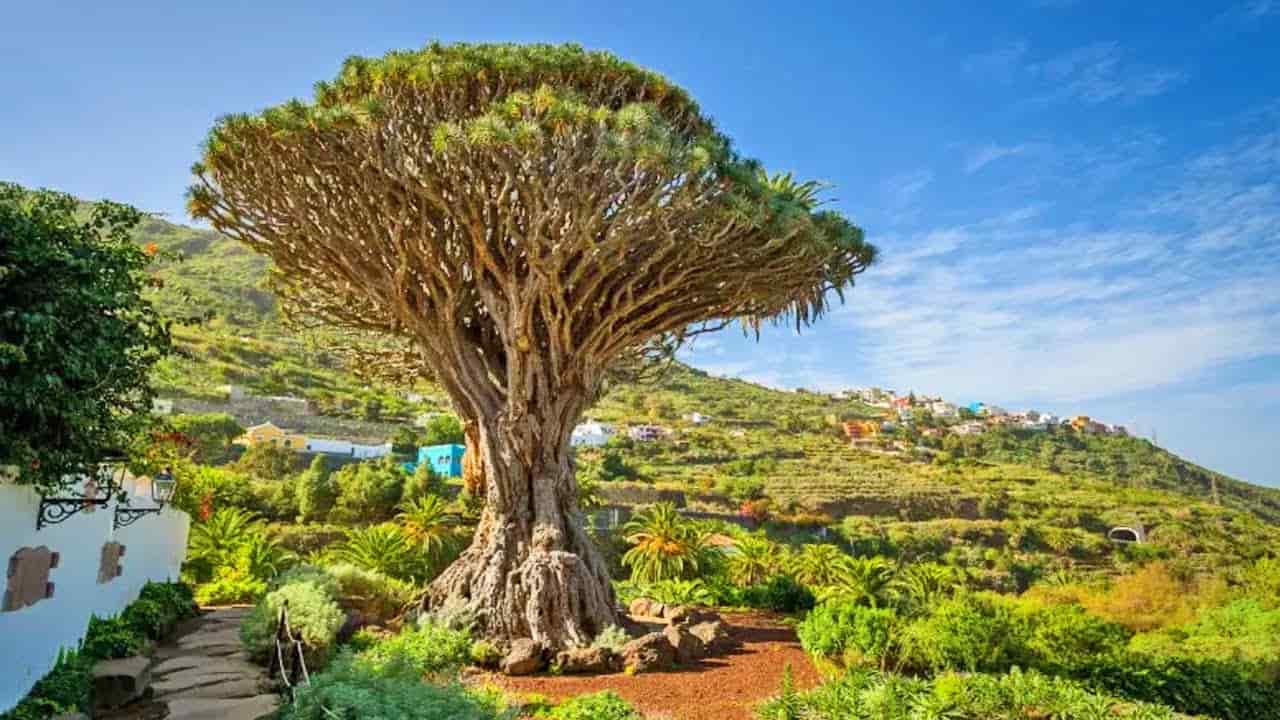
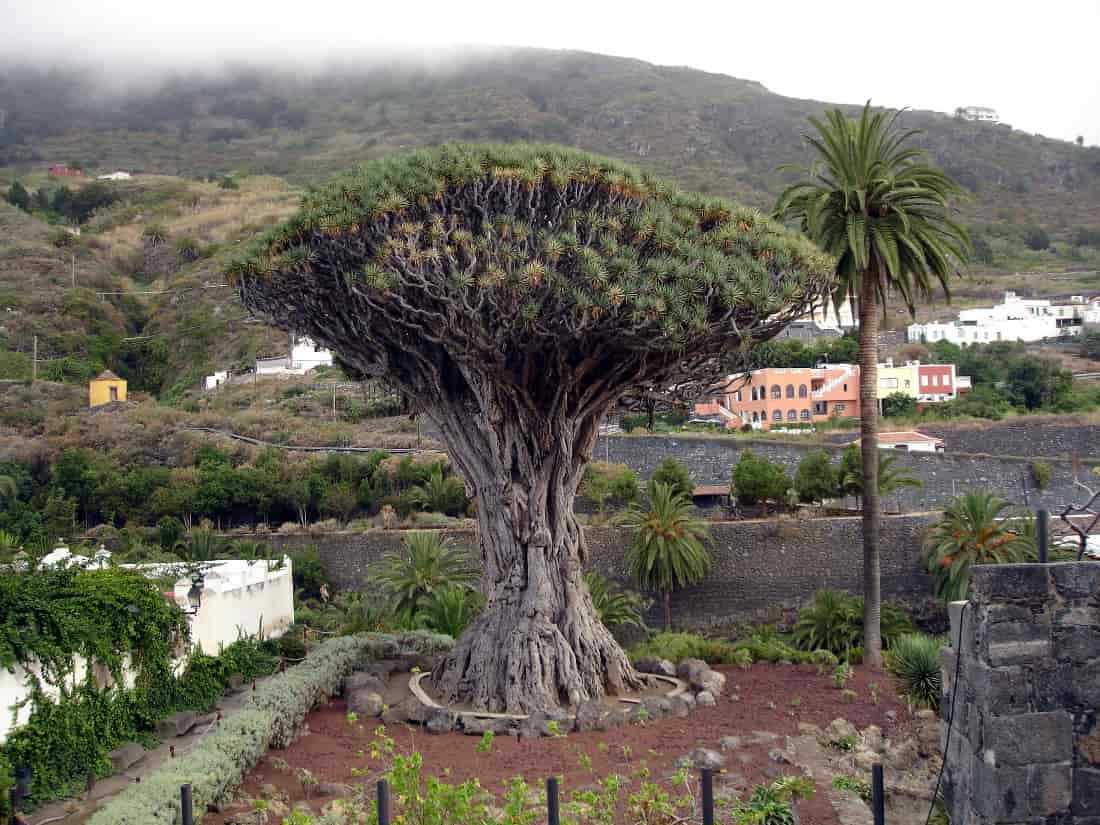
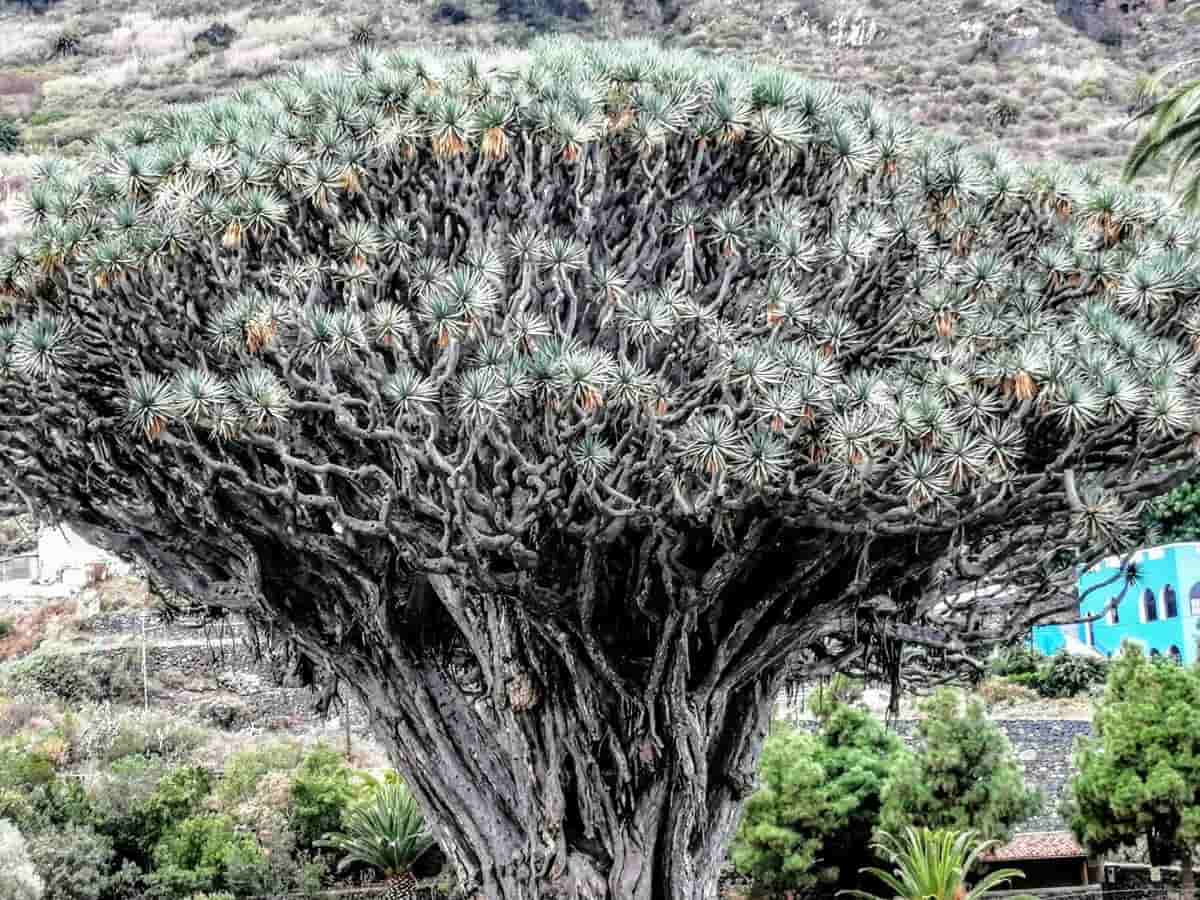
The Millenary Dragon Tree is one of Tenerife’s most recognisable symbols, alongside Mount Teide. This Dracaena Draco is estimated to be around 1,000 years old, reaching over 16 metres in height, with a base measuring 20 metres in circumference and weighing around 140 tonnes.
Surrounded by a mysterious aura, the Guanches considered it a sacred tree, and its sap—known as “Dragon’s Blood” —was believed to have healing properties. Both the Drago and Teide are under UNESCO consideration for World Heritage status.
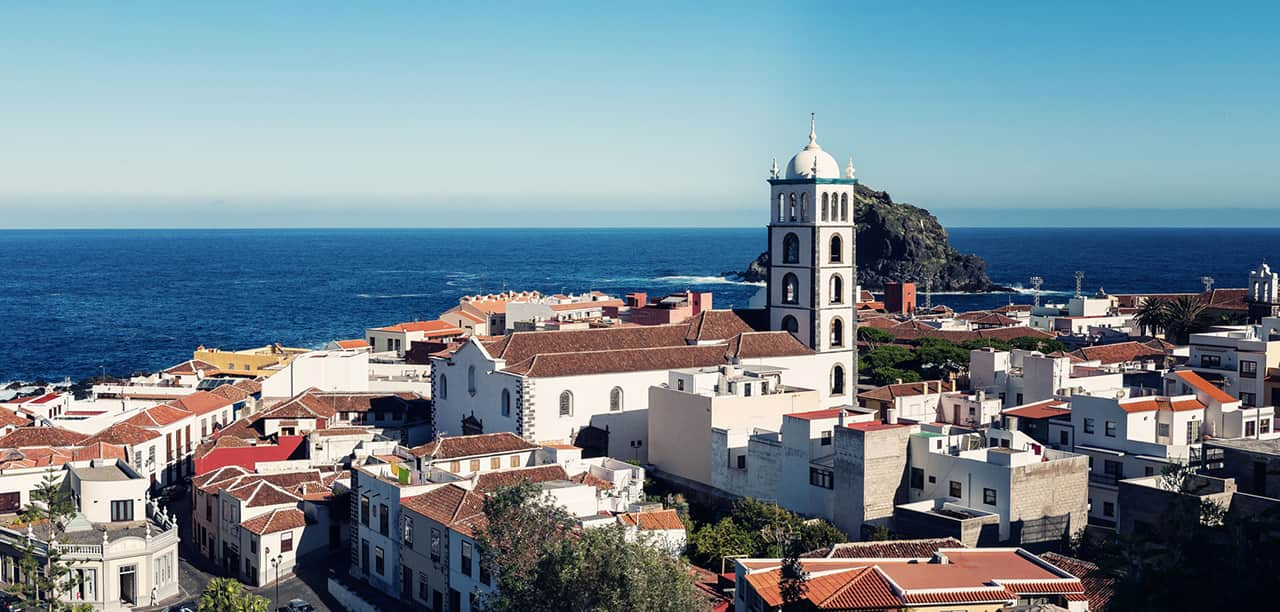
The tree is located in Icod de los Vinos, 56 km from Santa Cruz. The town also offers attractions such as the Church of San Marcos, the Convent of the Holy Spirit, the Hermitage of Las Angustias, and the Emeterio Gutiérrez Albelo House Museum. Icod de los Vinos is also famous for its wine tradition, with local Ycoden-Daute-Isora wines available to taste while enjoying the natural and cultural surroundings.
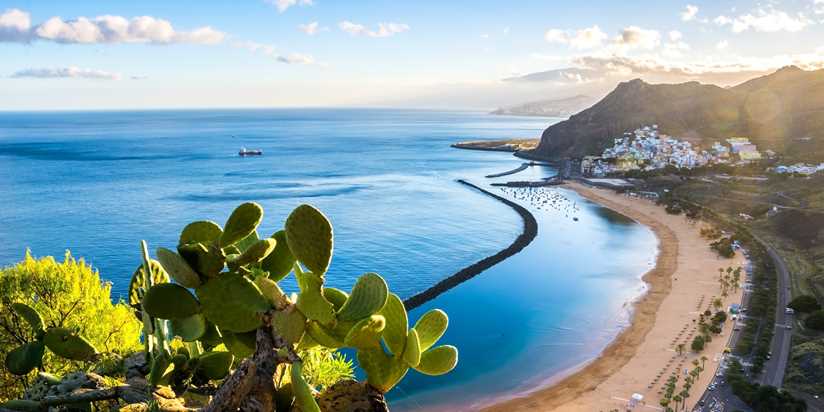
Tenerife is ideal for sun and sea lovers, boasting numerous beaches that have received the Blue Flag award for water quality and environmental care. From long stretches of golden sand to quiet volcanic black sand coves, there’s something for everyone.
Hiring a car in Tenerife allows you to explore at your own pace—from the famous Playa de las Teresitas near Santa Cruz to more secluded coves like Almáciga and Benijo in the stunning Anaga massif.
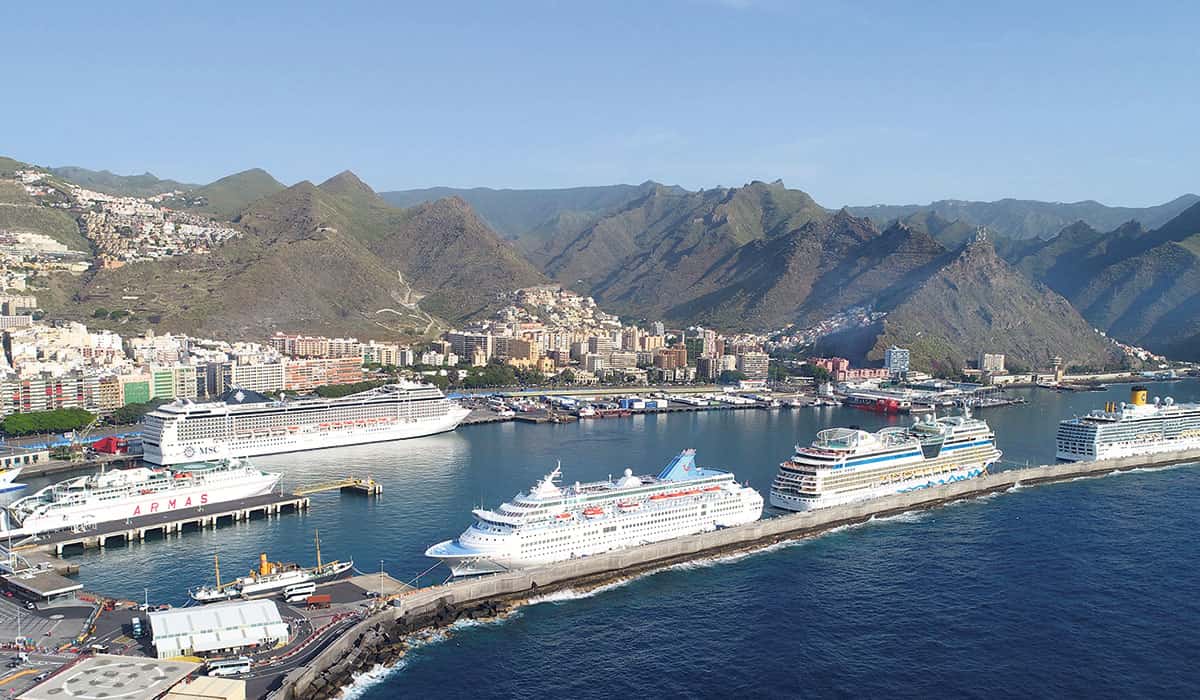
Santa Cruz de Tenerife, the island’s capital, sits in the northeast between the bay and Anaga Massif. Thanks to a mild climate, averaging 19 °C with little rainfall, it’s a pleasant destination all year-round. Founded in the 15th century, its name comes from the cross preserved in the Church of the Conception.
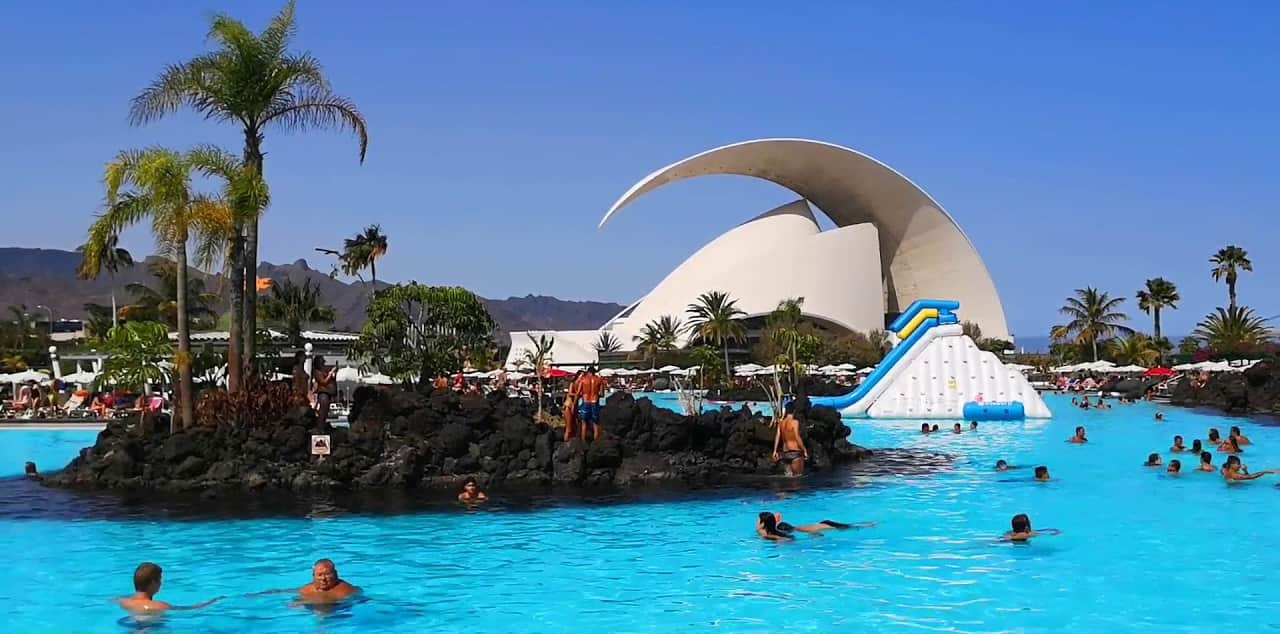
The city is home to attractions such as the Church of San Francisco, the Hermitage of San Telmo, the Ecumenical Church of Saint George, the Fine Arts Museum, and the Museum of Nature and Man, which offers insight into pre-Hispanic Canary Islands cultures. Santiago Calatrava’s Tenerife Auditorium is another architectural highlight and a hub for cultural events.
Santa Cruz also features beaches, including the golden sands of Playa de las Teresitas and volcanic sand coves like Las Gaviotas or Almaciga. The city is renowned for its Carnival, one of the world’s most famous, filling the streets each year with music, costumes, and festive spirit.
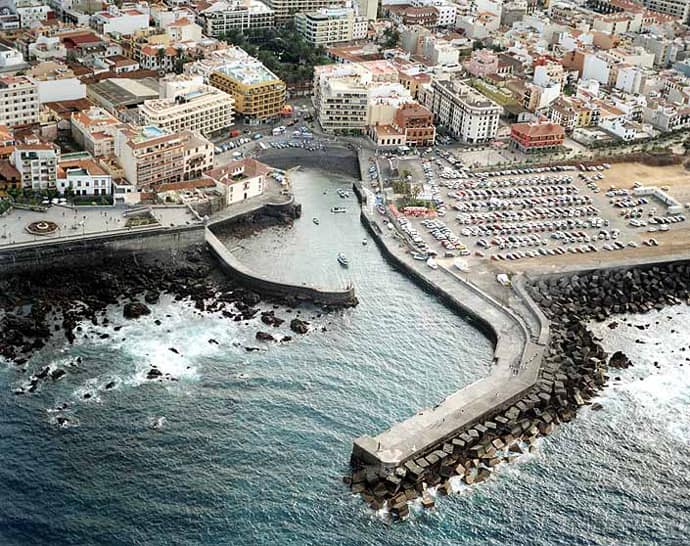
Located in the north of the island, Puerto de la Cruz is Tenerife’s main tourist hub, offering around 30,000 hotel beds. Its attractions include the Torreón de Ventoso, Castillo de San Felipe, Casa de la Real Aduana, the Church of San Francisco, and the Hermitage of San Juan. The La Ranilla district is home to the Archaeological Museum, housed in a 19th-century Canarian building with exhibits on Tenerife's history and culture.
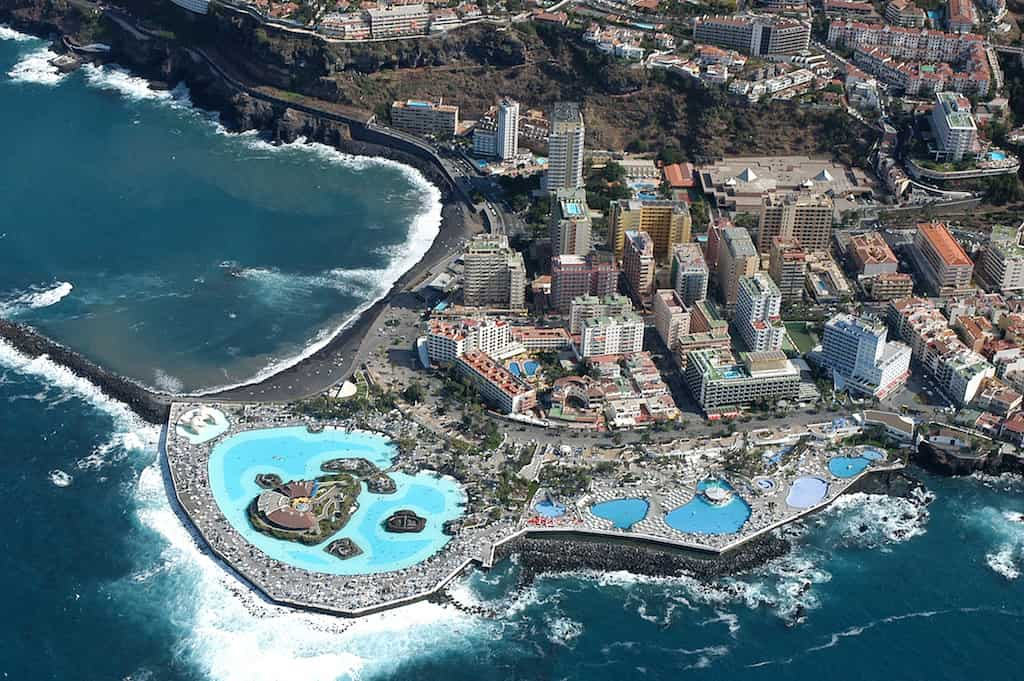
Puerto de la Cruz combines historical heritage with modern facilities such as Costa Martiánez, a complex featuring a large seawater lake, bars, and restaurants integrated into the local architecture, and Playa Jardín, designed by César Manrique. The area is also famous for Loro Parque, home to more than 300 species of parrots and parakeets, making it an ideal destination for families and nature lovers.
La Laguna was declared a UNESCO World Heritage Site in 1999. Its historic centre retains the original grid layout, with around 400 protected buildings of historical and architectural value. Just 9 km from Santa Cruz, La Laguna has become Tenerife’s cultural and religious capital, with the University and the Bishopric as key institutions.
Notable sights include the Cathedral, Church of Our Lady of the Conception, Chapel of San Miguel, and the Hermitage of San Cristóbal. The city also hosts several museums, including the Ossuna House Museum, the Tenerife Anthropology Museum, and the Museum of Science and the Cosmos. Hiring a car is the easiest way to explore its streets and soak in the architecture, history, and unique atmosphere
Loro Parque is Tenerife’s second most visited attraction after Mount Teide. Covering more than 12 hectares, it houses around 300 species of parrots—the largest collection in the world. The park also features gorillas, dolphins, flamingos, crocodiles, giant turtles, and tigers. Its penguinarium, the largest in the world, perfectly recreates an Atlantic ecosystem, and the aquarium has over 20,000 marine species, including a tunnel for close-up views of sharks.
Other highlights include the Thai Village, the largest outside Thailand, decorated with 24-carat gold leaf and intricate wood carvings, an orchid house with over 1,000 species, and a porcelain museum dedicated to parrots. Loro Parque combines conservation, education, and entertainment, making it perfect for a family visit.
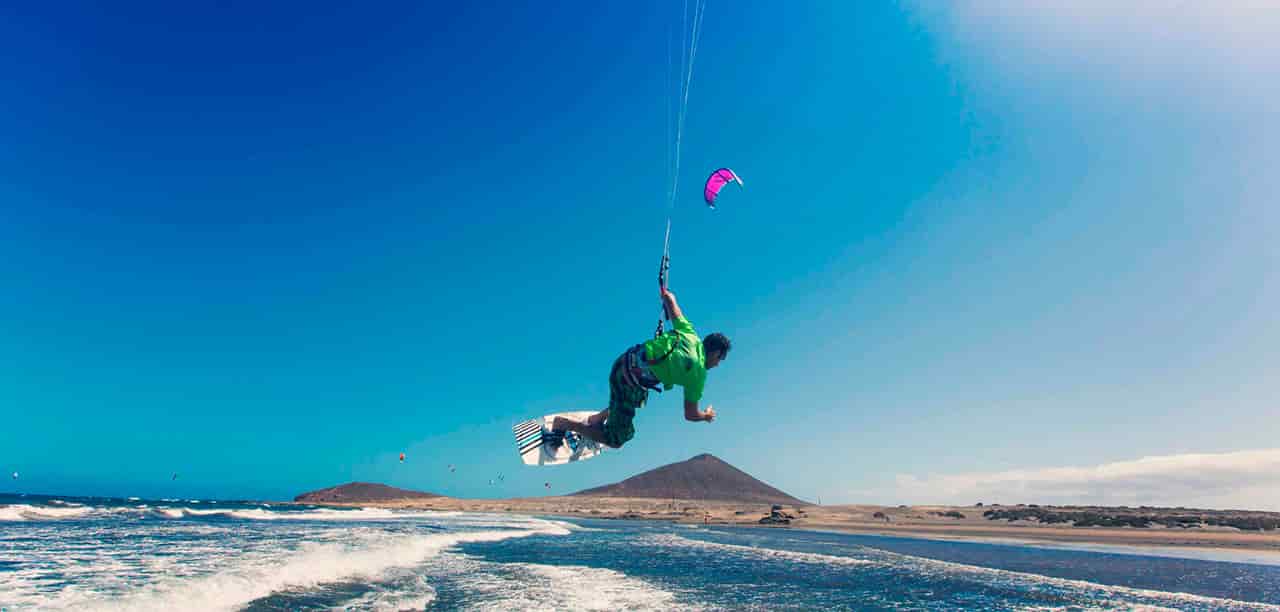
Tenerife is ideal for sports and adventure enthusiasts. The island offers excellent conditions for sailing, including schools teaching the traditional Latin sail. Beaches like El Médano and La Jaquita are popular for windsurfing due to steady winds and good waves.
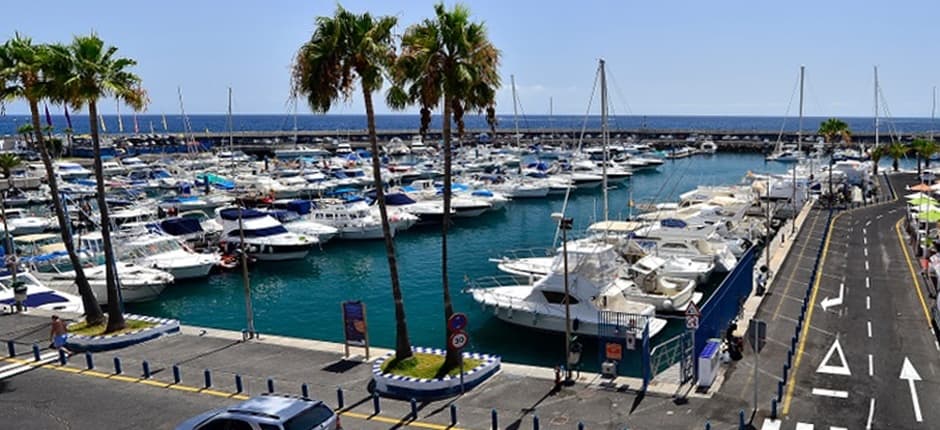
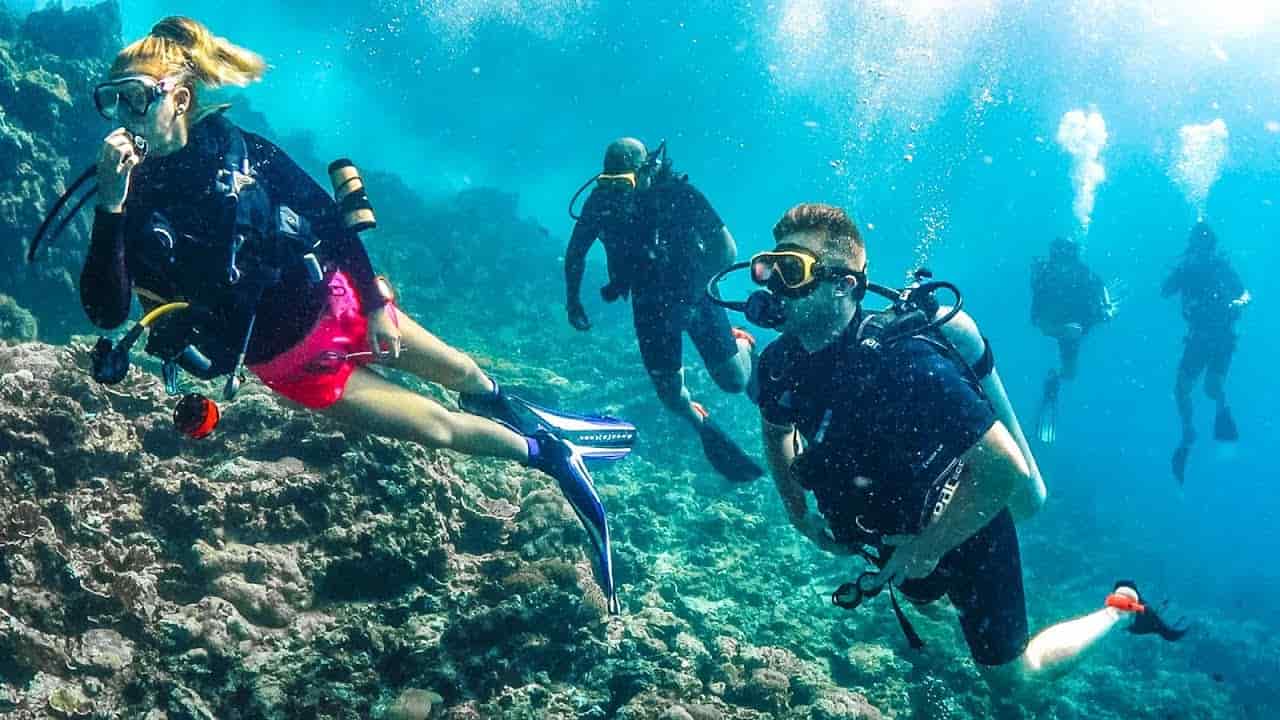
Deep-sea fishing is another highlight, with yacht trips to catch species such as blue marlin, barracuda, and grouper. Diving lets you explore rich marine life and volcanic caves, while hikers can enjoy the numerous trails in Teide National Park. The traditional Canary wrestling, or lucha canaria, is still practiced in various locations across the island.
The island has nine golf courses, mostly in the south, designed by figures such as Donald Steel, Severiano Ballesteros, and John Jacobs. With an average annual temperature of 23°C, golf is possible all year round. Tenerife also hosts PGA tournaments, attracting players from around the world.
Tenerife’s cuisine blends African, South American, and Spanish influences while maintaining its own character. Signature dishes include papas arrugadas with mojo picón, gofio, fish stew, and sancocho, reflecting the island's maritime heritage. Desserts such as huevos moles, bienmesabe, and leche asada are usually served with palm honey. Tenerife is also rich in tropical fruits, with the Canarian banana as one of its most famous products.
Santa Cruz de Tenerife Carnival is one of the world’s biggest Carnival’s. With origins dating back to the late 15th century, it has grown into an international celebration. Key events include the Queen’s Gala, the colourful parade through the main streets, and the Burial of the Sardine, which closes the festivities. Murga groups, comparsas, and rondallas fill the streets with music, satire, and social commentary, creating a lively, unforgettable experience.
The best way to make the most of Tenerife is with a hire car. Having your own vehicle gives you freedom to explore the island at your own pace —whether hiking, enjoying water sports, playing golf, discovering hidden beaches, or experiencing local culture during Carnival.
With DoYouSpain, renting a car in Tenerife is fast, safe, and convenient, always at the best price. Plan your route without relying on public transport, explore every corner of the island at your own rhythm, and combine nature, culture, leisure, and gastronomy in one trip. Having a car transforms your holiday completely, ensuring you see and enjoy the island exactly how you want.
Valencia is one of the top destinations for exploring the Mediterranean by car: beaches, picturesque towns, and rich history. If you are thinking about hiring a car in Valencia with DoYouSpain, this guide covers everything you need to know before booking. We go through the main points to make sure ...
If you want to enjoy nature, great local food, and charming mountain spots, exploring the Catalan Pyrenees by car is a brilliant option. It works well for any type of trip, especially if you're looking to get away from it all. Any time of year is a good time to ...
Alquilar un coche en Cádiz es la mejor opción para descubrir la provincia sin prisa. Te da la libertad de pasar de las playas de la Costa de la Luz a los pueblos de la Sierra de Grazalema en el mismo día, evitando las esperas y las malas combinaciones del ...
Travelling around Spain in autumn is the ideal choice if you want to enjoy a peaceful break at your own pace. Once summer comes to an end, temperatures drop, the roads are far quieter, and prices are usually much lower. It is the perfect time to go on a road ...
Desde DoYouSpain te traemos esta guía para entender cómo funcionan los peajes en España para que tu viaje sea más cómodo, económico y puedas empezar a planear. Saber qué autopistas son de pago y cuáles son gratuitas te ahorrará tiempo y dinero en el viaje. Tener tu itinerario claro antes ...
Bilbao has become a favourite destination for so many travellers, and anyone who visits once almost always comes back. It combines a welcoming atmosphere with friendly locals and, above all, incredible food. Basque cuisine stands out for its ability to innovate without losing touch with its roots, blending creativity with ...
Heading to the Rías Baixas in summer is a great choice if you are looking for a unique and all-round getaway to Northern Spain, stretching across the provinces of Pontevedra and A Coruña. Pleasant temperatures, crystal-clear beaches, traditional fishing villages, and unbeatable food, that is exactly what you will find ...
If you are planning a trip to the Valencian region, flying into Castellon Airport is a great choice. You avoid the long queues and long waiting times of bigger airports like Valencia or Alicante, enjoying a much faster trip and cheaper flight tickets. In this blog from DoYouSpain, we tell ...
If you're looking for unmissable day trips from Oviedo, the Lakes of Covadonga are just an hour and a half away by car and an absolute must-see. In the heart of the Picos de Europa National Park, they offer an unforgettable experience. At DoYouSpain, we want to make planning as ...
Mallorca is one of the most popular islands every single year, and for good reason: it has some of the best sunsets in the whole of the Mediterranean. It is an experience you absolutely can not miss if you are visiting this summer. Sunset times vary quite a bit depending ...
Montserrat is the perfect day trip to enjoy a blend of both nature and culture. Located only about 55 kilometres from Barcelona, it makes for an ideal day out for the whole family. Here at DoYouSpain, we’ve put together this guide with all the practical information you need to plan ...
If you are looking for the best places to go for a swim in Castellón or want to discover the top natural pools in the Valencian Community, visiting Montanejos is an absolute must this summer. This spot is the most famous in the region thanks to its thermal waters, which ...