Alicante is one of those places that combines everything you are looking for in a holiday destination. The city itself is already worth a visit, but in its surroundings you can find absolute paradise.
With this travel guide, you will learn everything you need to know about Alicante. Whether visiting for a long or short time, this guide is perfect even for locals. Check it out and learn about the best places to visit, its surroundings, the region's history, gastronomy, people, and expert tips.
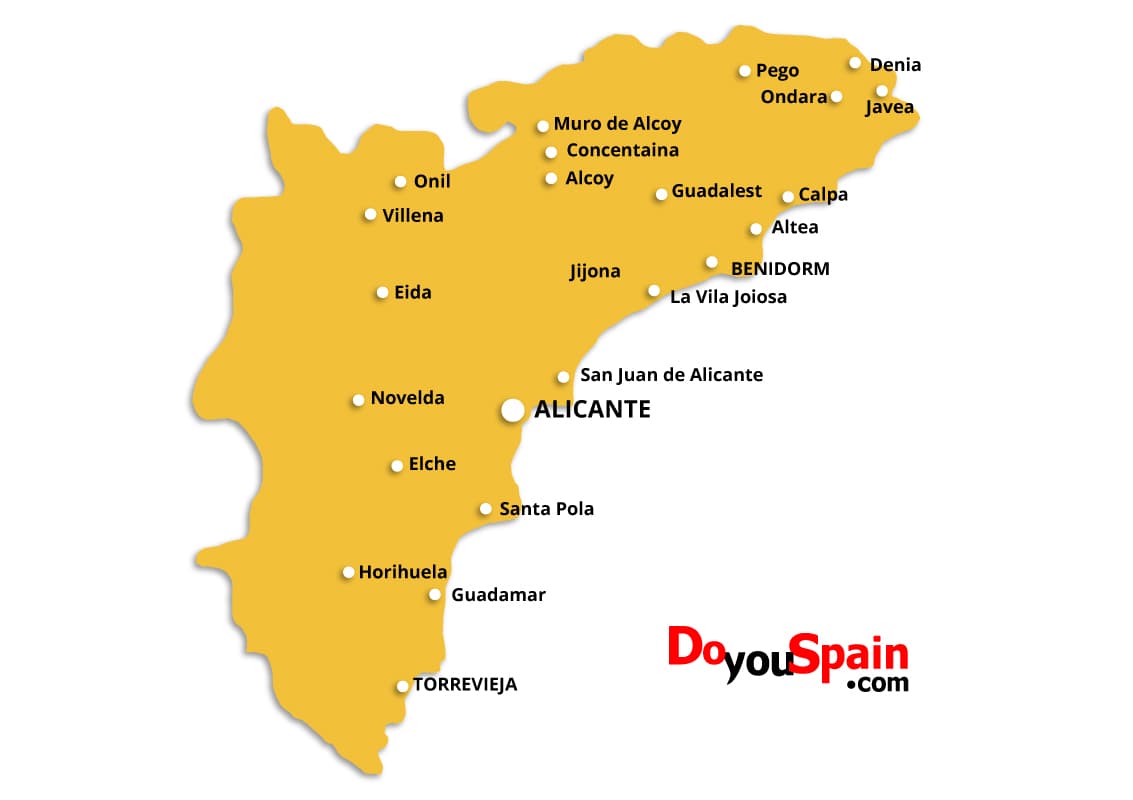
Alicante is one of the three provinces of the Valencian Community, together with Valencia —the regional capital—and Castellon. Situated on Spain's Mediterranean coast, the region is known for its great climate, sandy beaches, rich gastronomy, and charming seaside towns.
The coastline of the Comunidad Valenciana stretches for almost 500 kilometres, stretching from Tarragona in the north to Murcia in the south. Each province has its own coastal identity: Costa Blanca in Alicante, Costa de Valencia in Valencia, and Costa del Azahar in Castellon.
If you are planning to visit Alicante soon, make sure to discover its traditions, curious facts, and essential information to fully immerse yourself in the city once you arrive.
Alicante traces its origins to an Iberian settlement in the 5th century. Over the centuries, Christian landmarks have endured, now serving as cultural attractions and tourist attractions, such as Santa Barbara Castle and Mount Tossal, offering visitors both enjoyment and insight into the city’s past. This historic legacy, together with its natural appeal, makes Alicante one of Spain’s premier holiday destinations.
Archaeological evidence reveals a long history: from Palaeolithic remains to its role as an Iberian town, a Roman municipality, an Arab medina, a mediaeval Christian settlement, and, since 1490, a thriving city and commercial port.
Highlights include the Gothic Church of Santa Maria with its Baroque porch and high altar, the splendour of San Nicolas Cathedral, the Town Hall, and the Santa Faz Monastery. The cutting-edge Provincial Archaeological Museum of Alicante, showcases the region’s ancient wealth.
Alicante’s gastronomy reflects the excellence of the Mediterranean diet, with fresh vegetables, pulses, seafood, and fruit. Its star ingredient is rice, prepared in countless ways— arroz a banda, caldero, and olleta among the most traditional. Local specialities also include cocas, quality shellfish such as the prized red shrimp, and a variety of meats and sausages
Alicante’s wines, which date back to the 15th century, and herbal liqueurs like cantueso and herbeta complement the dishes. For dessert, nothing surpasses the famous nougat of Jijona (soft) and Alicante (hard), made with honey and almonds. In summer, refreshing drinks such as horchata, lemonades, and the traditional agua de cebada complete the experience.
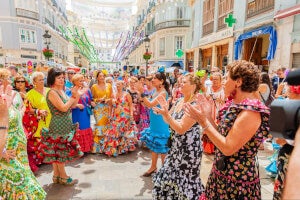
Alicante offers daily entertainment, particularly in its old quarter, and a calendar filled with fiestas throughout the year: the New Year Concert, the Santa Faz pilgrimage, the Moros y Cristianos, the Hogueras de San Juan, summer festivals, contemporary theatre and music, and Christmas.
Families from all over Spain, as well as international tourists from the UK and Germany, are captivated by the city’s festive spirit and tranquil charm.
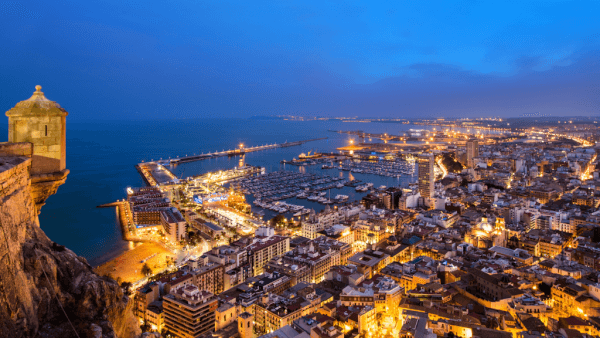
On Alicante’s seafront, a lift takes visitors up to Santa Barbara Castle, 166 metres above sea level, with historic enclosures that date back to the 11th century, towers, and panoramic views.
From here, you can enjoy the very best views of the city. While the sea can be admired from the promenade and the skyline from a rooftop, the castle offers something far more complete: a 360-view that reveals up to thirty different perspectives at once. From its highest point, visitors can enjoy the Mediterranean Sea, the surrounding mountains, and the city below.
Alicante offers many attractions of great cultural and historical value. Highlights include the Baroque Town Hall with its twin towers and Benchmark Zero, the Gothic Church of Santa Maria with its Baroque façade and marble font, and the Co-cathedral of San Nicolas.
The city also boasts excellent museums. The Asegurada Museum houses 20th-century art, while the Palacio Gravina hosts the Museum of Fine Arts (MUBAG), showcasing Alicante’s painting and sculpture from the 16th to 20th centuries. More recently, the Museum of the Bonfires has opened, dedicated to Alicante’s most iconic fiestas.
Beyond its cultural landmarks, Alicante is famed for its beaches . El Postiguet, the city’s most popular beach, borders the seafront promenade and offers superb views of Santa Barbara Castle. Parallel to the sea, the Explanada de Españapromenade, paved with colourful marble waves, leads to the marina, where visitors enjoy nautical sports, shopping, and lively bars and restaurants.
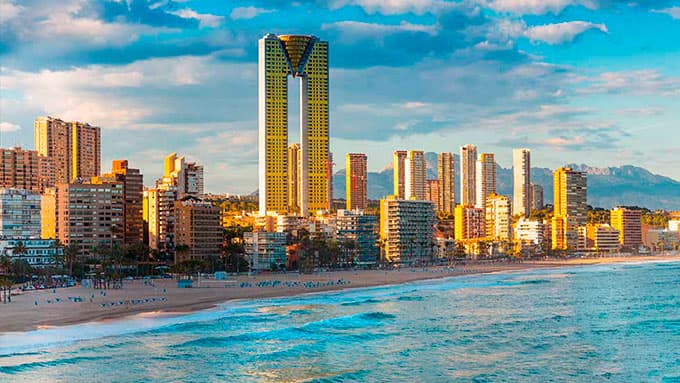
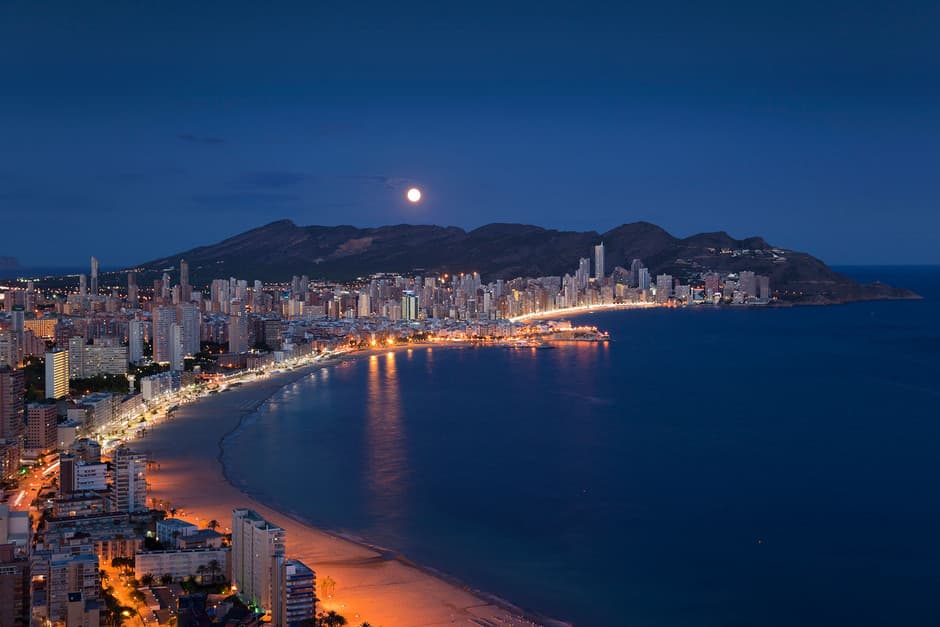
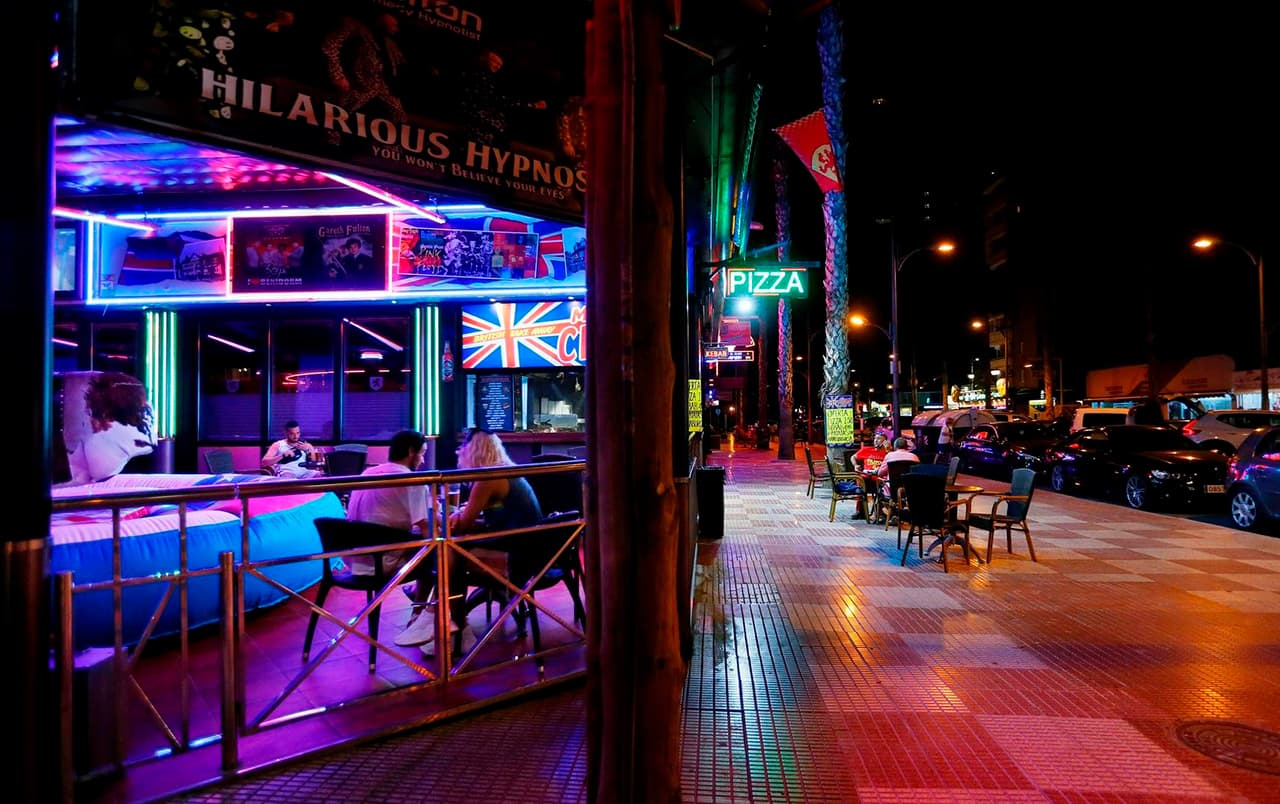
Benidorm is one of Spain’s leading tourist destinations. Famous for its wide choice of accommodation, long and sandy beaches, theme parks, and sports facilities, it attracts visitors year-round thanks to its privileged climate. Day trips to Benidorm Island, an incredible nightlife, and exquisite gastronomy add to its appeal.
The historic centre, founded in the 18th century, retains its fishing-town charm with narrow streets and the church of San Jaime. Around it, modern avenues cater to tourism. Benidorm’s 5 km coastline offers beaches for all tastes: Levante,Poniente, Mal Pas Cove, and the Almadrava, ideal for scuba diving.
Denia is renowned for its relaxed lifestyle and stunning beaches. Denia’s three main beaches: Les Marines, Les Rotes, and Les Deveses. But there is also plenty of history, as visitors can explore the Torre del Mig, Denia's castle, the Archaeological and Ethnology Museums, and the remains at La Almadraba. The town rises at the foot of a hill crowned by its castle, once the Palace of the Governor, offering excellent views across Denia.
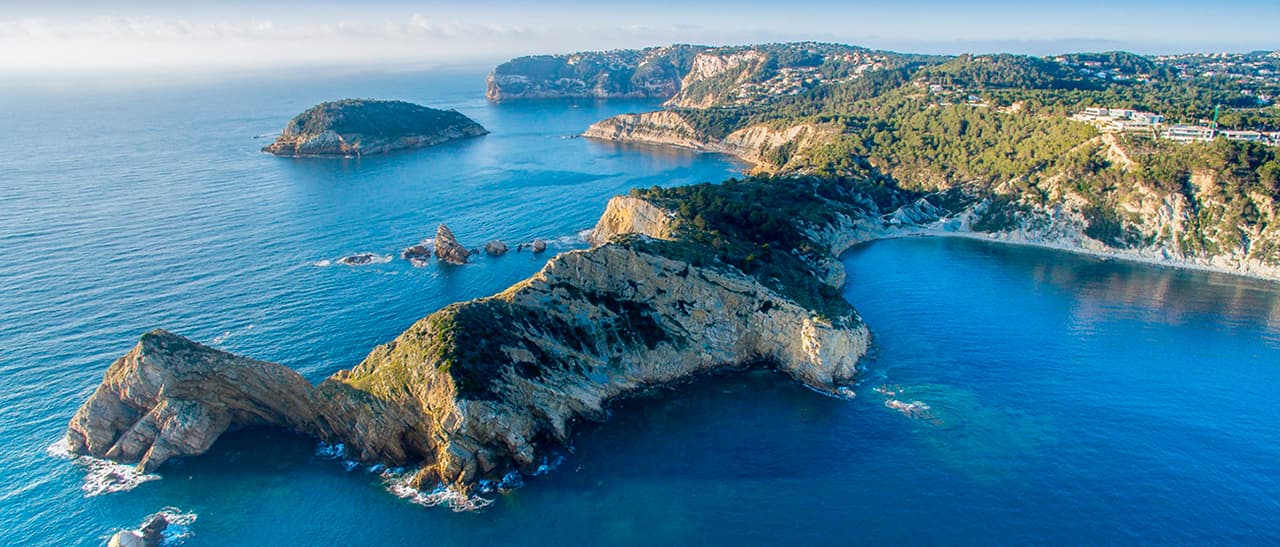
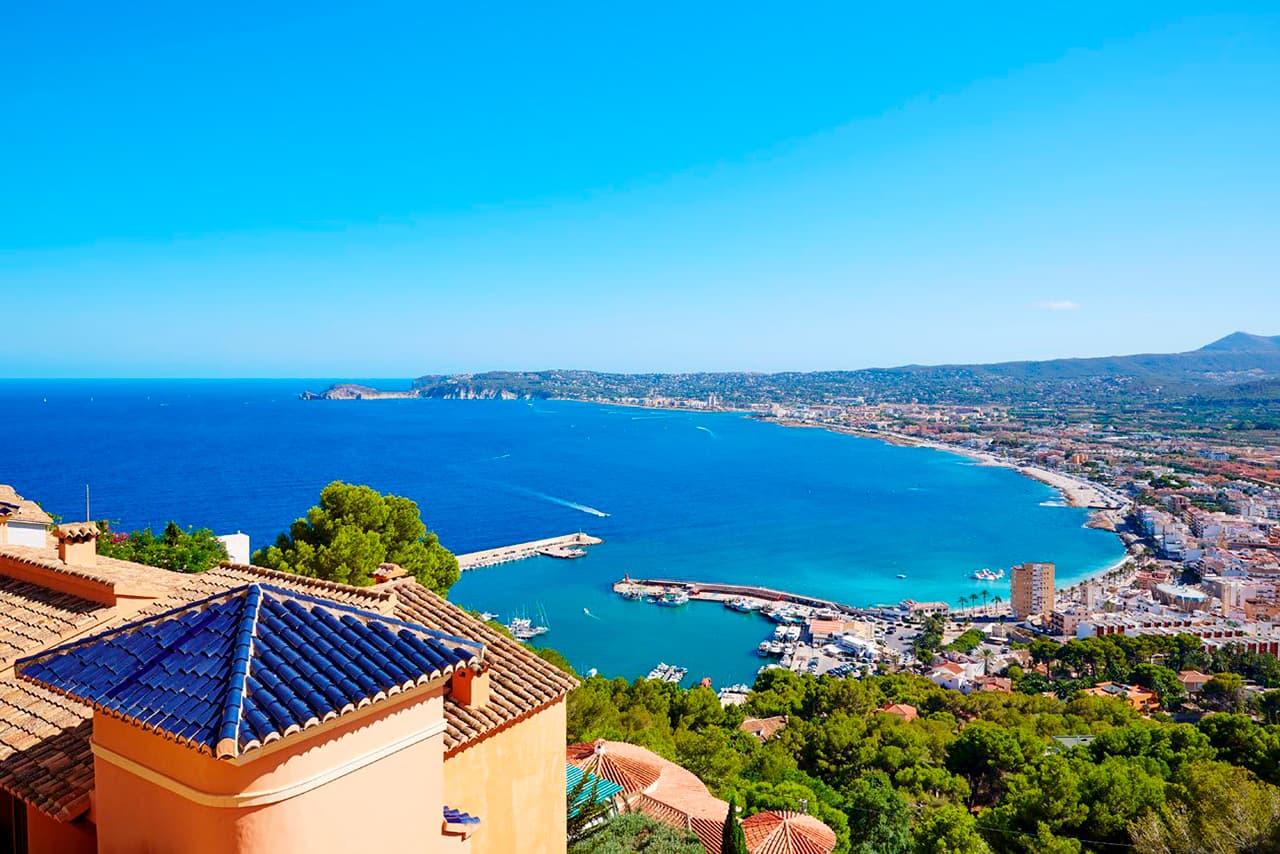
Javea proudly preserves its Mediterranean character, with a rich historical centre and a coastline of beaches and coves. Visitors can explore the Ruta de los Miradores or admire the eleven windmills built in the 18th century, once used to grind wheat and now a unique attraction.
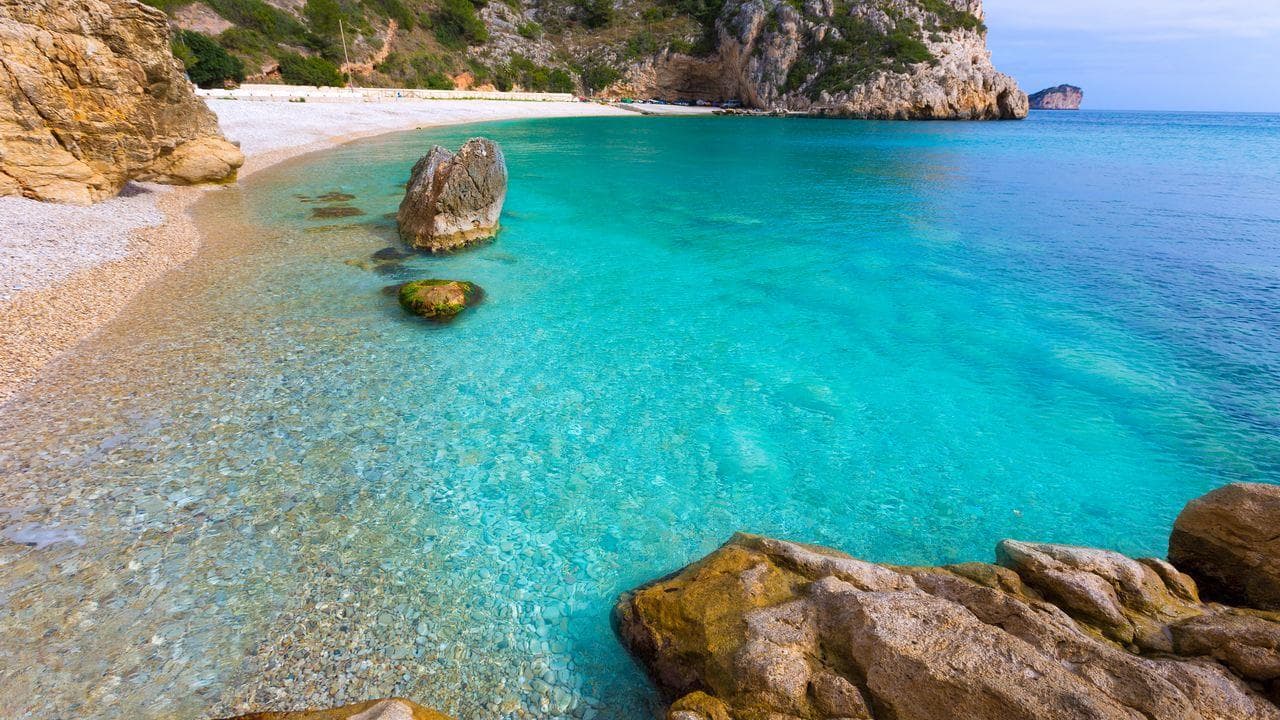
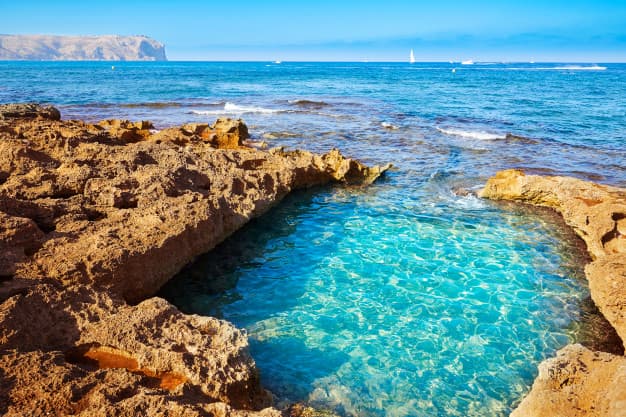
The town offers wide sandy beaches, charming coves, seafood-based cuisine, water sports, and leisure activities, all complemented by its tranquil atmosphere. The popular Arenal Beach stretches for 600 metres, while rocky coves with crystal-clear waters invite diving and sailing. Walkers will enjoy the 15 coastal viewpoints, offering some of the best views of the Costa Blanca.
Torrevieja is surrounded by two salt lakes known as Las Salinas de Torrevieja. The town boasts five main beaches: Orihuela to the south, stretching towards La Manga del Mar Menor, and long sandy shores to the north reaching La Marina and Santa Pola. Exploring the coast by car is the best way to enjoy the area.
If you are travelling with children, you will know they can be the toughest critics when planning a trip. To make it truly unforgettable, we recommend you don’t miss these activities.
Terra Mitica is Alicante’s leading theme park, divided into five areas inspired by ancient cultures. Each zone has its own character: Egypt with pyramids and bazaars, Greece with mythological legends, Rome with its stronghold, Iberia with lively traditions, and the Islands with coastal charm. Terra Mitica also features around 30 attractions, over 100 daily shows, 80 restaurants, 18 shops, and five play areas, plus services such as lockers, and accessibility facilities.
Terra Natura offers the sensation of travelling across continents without leaving Alicante. This theme park combines culture, nature, and entertainment, with more than 1,500 animals from 200 species, and more than 2,500 trees, bushes, and plants from different regions. Shows, interactive performances, and animal demonstrations bring the park to life, while restaurants and themed shops complete the experience.
Alicante–Elche Miguel Hernandez Airport, commonly known as Alicante Airport, is one of Spain’s busiest airports. For many travellers, it is the ideal place to pick up a hire car and set off on their trip immediately. Located just 11 kilometres from Alicante, the city can be reached via the Alicante–Murcia motorway, with a direct exit to the airport, or by taking the N-340.
Travellers will find a wide range of facilities, including bureaux de change, a post office, ATMs, relaxation areas, cafes, fast-food outlets, and four restaurants. The shopping centre offers more than 16 stores, from newsagents and gift shops to jewellery, footwear, music, and duty-free outlets. An entertainment centre and parking for 1,500 cars complete the services available.
The best way to make the most of your time in Alicante is by hiring a car. While it may seem like an added expense, it can actually be a cost-effective option if planned wisely. The simplest tip is to use a comparison site such as DoYouSpain , which specialises in Spain and instantly compares hundreds of suppliers to secure the lowest prices available. Why settle for less, when a hire car gives you the freedom to enjoy the complete Alicante experience.
Alquilar un coche en Cádiz es la mejor opción para descubrir la provincia sin prisa. Te da la libertad de pasar de las playas de la Costa de la Luz a los pueblos de la Sierra de Grazalema en el mismo día, evitando las esperas y las malas combinaciones del ...
Travelling around Spain in autumn is the ideal choice if you want to enjoy a peaceful break at your own pace. Once summer comes to an end, temperatures drop, the roads are far quieter, and prices are usually much lower. It is the perfect time to go on a road ...
Desde DoYouSpain te traemos esta guía para entender cómo funcionan los peajes en España para que tu viaje sea más cómodo, económico y puedas empezar a planear. Saber qué autopistas son de pago y cuáles son gratuitas te ahorrará tiempo y dinero en el viaje. Tener tu itinerario claro antes ...
Bilbao has become a favourite destination for so many travellers, and anyone who visits once almost always comes back. It combines a welcoming atmosphere with friendly locals and, above all, incredible food. Basque cuisine stands out for its ability to innovate without losing touch with its roots, blending creativity with ...
Heading to the Rías Baixas in summer is a great choice if you are looking for a unique and all-round getaway to Northern Spain, stretching across the provinces of Pontevedra and A Coruña. Pleasant temperatures, crystal-clear beaches, traditional fishing villages, and unbeatable food, that is exactly what you will find ...
If you are planning a trip to the Valencian region, flying into Castellon Airport is a great choice. You avoid the long queues and long waiting times of bigger airports like Valencia or Alicante, enjoying a much faster trip and cheaper flight tickets. In this blog from DoYouSpain, we tell ...
If you're looking for unmissable day trips from Oviedo, the Lakes of Covadonga are just an hour and a half away by car and an absolute must-see. In the heart of the Picos de Europa National Park, they offer an unforgettable experience. At DoYouSpain, we want to make planning as ...
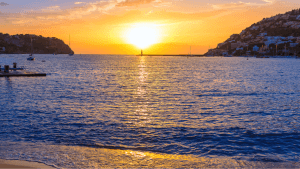
Mallorca is one of the most popular islands every single year, and for good reason: it has some of the best sunsets in the whole of the Mediterranean. It is an experience you absolutely can not miss if you are visiting this summer. Sunset times vary quite a bit depending ...
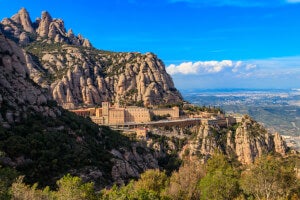
Montserrat is the perfect day trip to enjoy a blend of both nature and culture. Located only about 55 kilometres from Barcelona, it makes for an ideal day out for the whole family. Here at DoYouSpain, we’ve put together this guide with all the practical information you need to plan ...
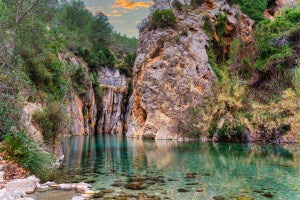
If you are looking for the best places to go for a swim in Castellón or want to discover the top natural pools in the Valencian Community, visiting Montanejos is an absolute must this summer. This spot is the most famous in the region thanks to its thermal waters, which ...
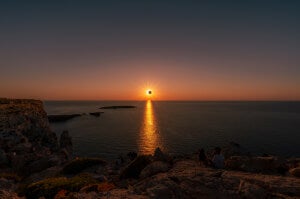
The total solar eclipse on 12 August 2026 will be the first one visible from Spain in over a century. This is a historic astronomical event that everyone is talking about, and it is definitely something you won't want to miss. At DoYouSpain, we have put together this complete guide ...
Málaga is a great place to visit at any time of year, but in August it comes alive. The Málaga Fair is one of the biggest events in Andalusia, making it an unforgettable week for anyone visiting. To make sure you don't miss a thing, here at DoYouSpain we’ve put ...