Gran Canaria is an island that has it all: beaches, villages, and stunning natural surroundings. In this guide, you’ll find all the essential information to plan your trip, discover the most iconic tourist spots, explore its beaches, enjoy its activities, and understand why hiring a car is the most comfortable and complete way to experience it.
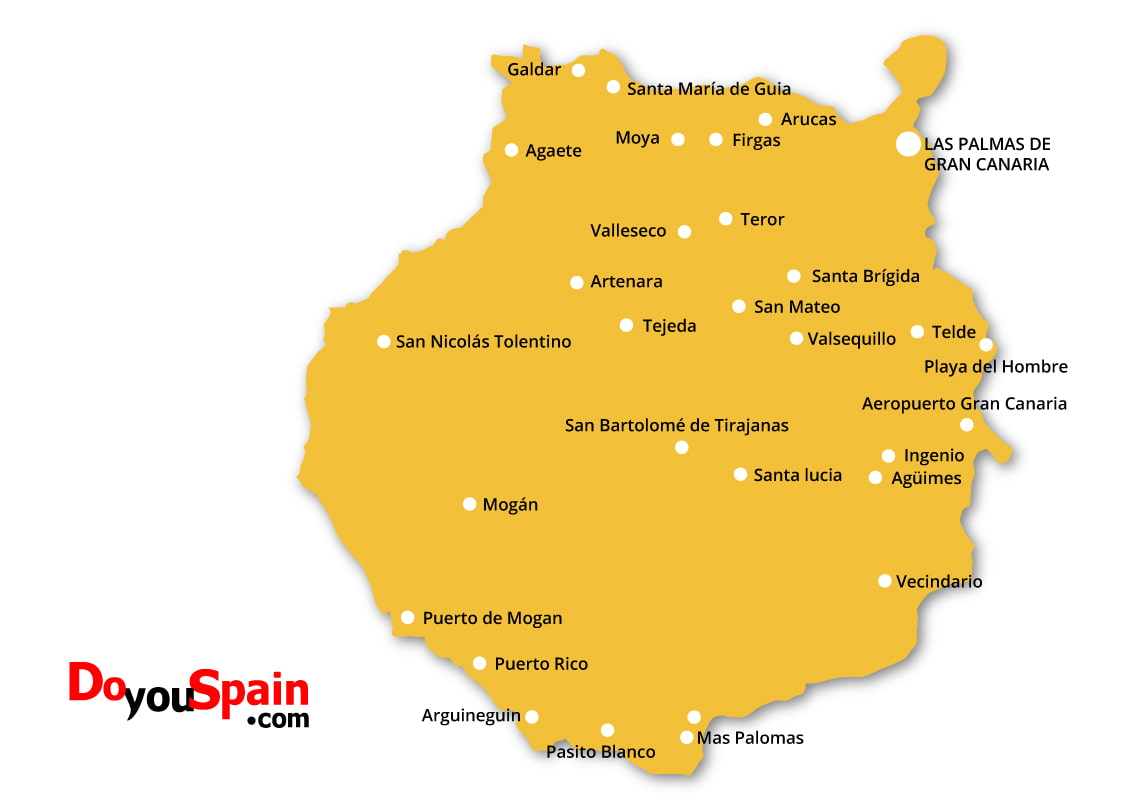
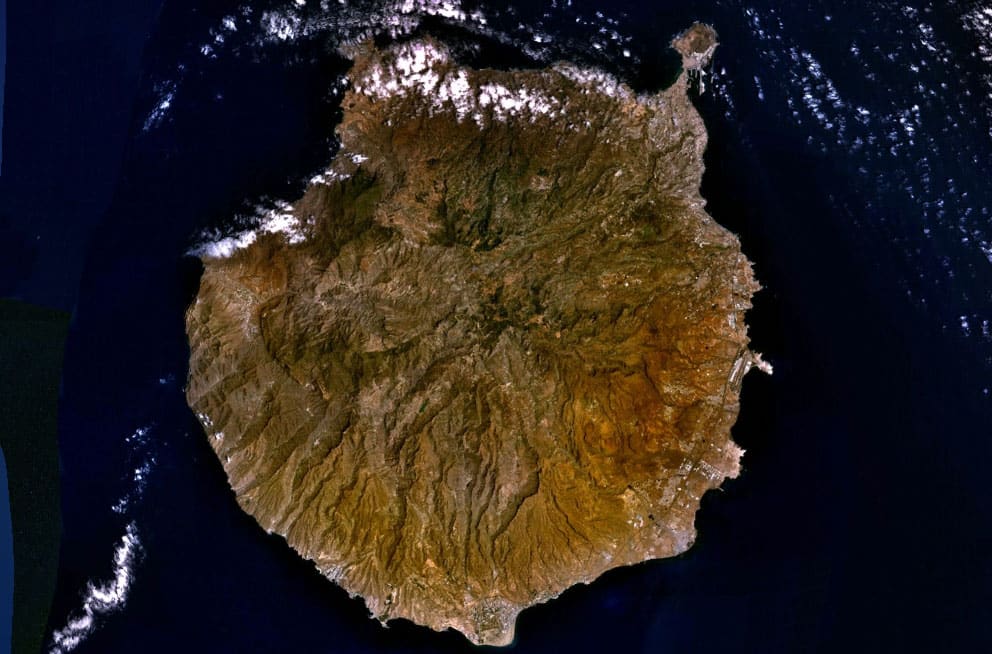
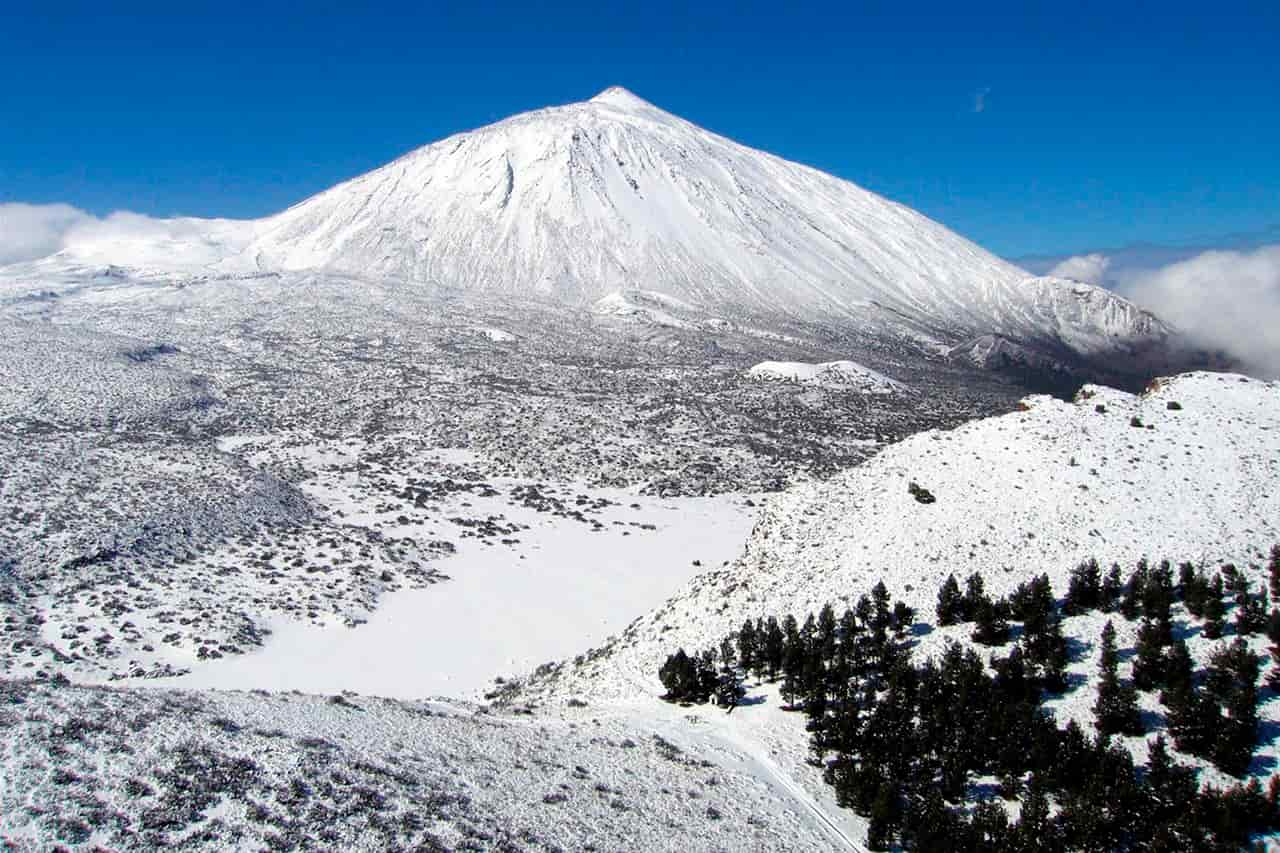
Gran Canaria lies in the Atlantic Ocean, around 200 kilometres off the north-west African coast and 1,250 kilometres from Cádiz, the closest point in Europe.The island is of volcanic origin, covering 1,560 square kilometres with 236 kilometres of coastline. Pozo de las Nieves is Gran Canaria’s highest point, rising to 1,949 metres.
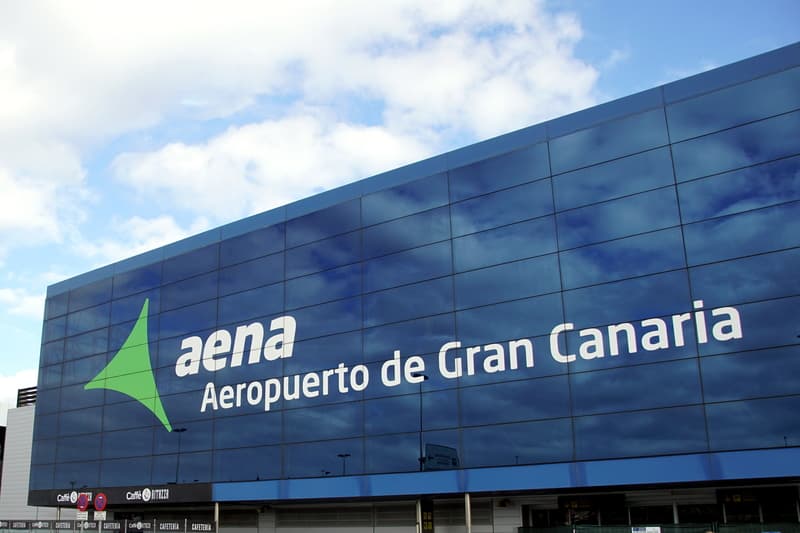
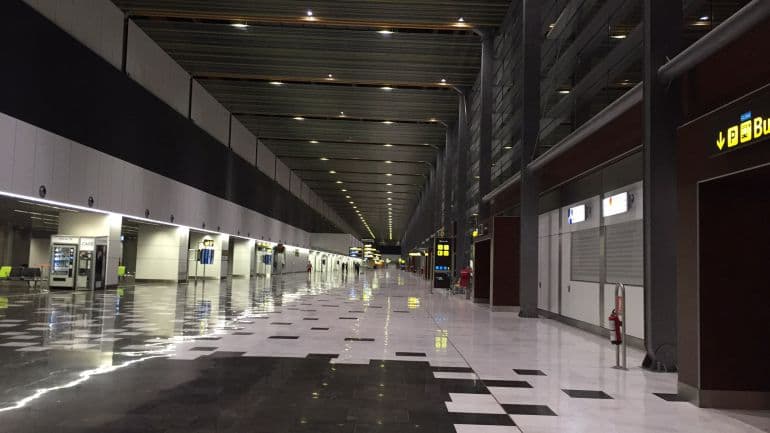
Gran Canaria Airport is located just 18 kilometres south of Las Palmas de Gran Canaria and is known for its excellent organisation and services. Its single terminal, spread over three floors, makes the travel experience smooth and comfortable: the ground floor is designated for arrivals, the first floor handles departures, and the second floor functions as a spacious terrace with views.
In addition, Gran Canaria Airport offers a wide variety of services to make your wait much more pleasant. It has a bank branch, several cash machines, and a good selection of cafés, bars, restaurants, and fast-food outlets. You will also find numerous shops throughout the terminal, ideal for purchasing anything from local products to last-minute items. This is complemented by essential services such as a post office, a pharmacy, and medical assistance, making it one of the most complete and comfortable airports in the archipelago.
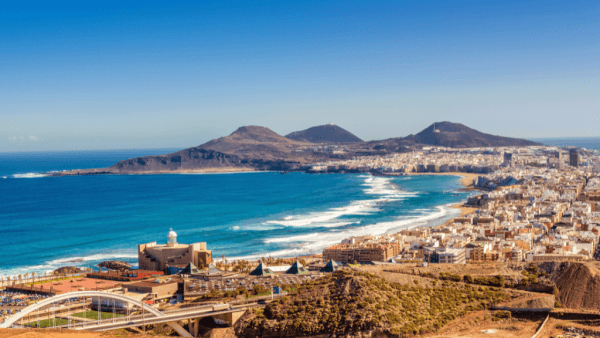
Las Palmas de Gran Canaria, the island´s capital located in the northeast, enjoys an exceptional climate due to its ideal location, with average temperatures of 17°C in winter and 25°C in summer. Founded in 1478, the city retains a rich historical heritage, especially visible in the Vegueta district, home to Santa Ana Cathedral, the Regental Palace, the Town Hall, the Episcopal Palace, and the Canarian Museum, which holds the largest collection of pre-Hispanic artefacts in the islands.
Nearby, the Triana neighbourhood combines history with commercial life and includes the Perez Galdos House Museum, a space that preserves the essence of the celebrated Canarian writer.
Las Palmas is also known for its beaches. The most iconic is Las Canteras, regarded as one of the best in the Canary Islands thanks to its natural reef,La Barra. Not far away stands the Alfredo Kraus Auditorium, one of the city’s cultural landmarks. Other beaches such as Las Alcaravaneras, San Cristobal, La Laja and El Confital add even more variety to the coastline and are easy to reach by car.
Arucas is one of the most historic towns in Gran Canaria. After the Conquest, the town was rebuilt and experienced its greatest growth in the 19th century thanks to the cochineal trade. During this period, key buildings such as the town hall, the market and the new square were constructed. Its historic centre was declared a Historic–Artistic Site in 1976.
The heart of Arucas is San Juan Square, where you’ll find the Church of San Juan Bautista, popularly known as Arucas Cathedral. This neo-Gothic temple houses several important works of art.Around it there's traditional Canarian houses such as the Rafael Ponce de Armas House, the Granado Marrero House, and the Barbosa House, all of which reflect some of the island’s most authentic architecture.
Maspalomas, in the south of Gran Canaria, belongs to the wider area of San Bartolome de Tirajana and is one of Spain's best-known holiday destinations. It includes Playa del Aguila, Las Burras, San Agustin, and the famous Playa del Ingles, offering more than 17 kilometres of coastline in total. Between Playa del Ingles and Maspalomas stretches one of the island’s most iconic landscapes: 400 hectares of protected dunes, home to native species and one of the most striking natural environments in the Canary Islands.
Telde is landscape, culture and heritage in its purest form. With over 650 years of history, this city preserves some of Gran Canaria’s most characterful places..
In the original San Juan district you’ll find the Minor Basilica of San Juan and the San Francisco historic quarter, one of the best-preserved on the island, where cobbled streets and traditional houses keep the Canarian spirit alive.
Telde’s coastline offers 10 kilometres of beaches, each with its own personality. The city is also known for its archaeological wealth: referred to as the land of the religious guides of the ancient Canarians, it has more than a hundred archaeological sites that offer a glimpse into the island’s indigenous past.
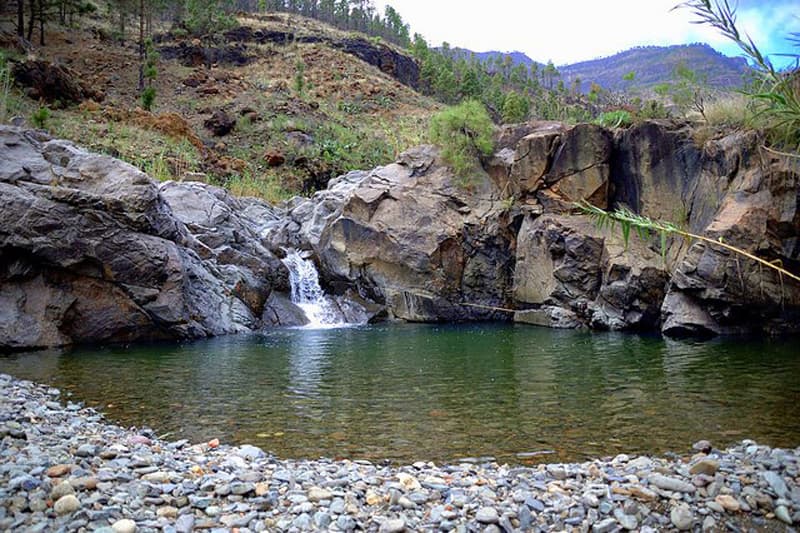
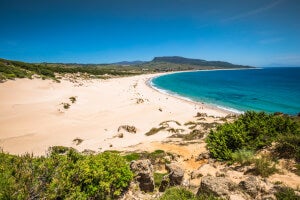
Gran Canaria has a spectacular and varied coastline, with over 230 kilometres of shore that includes long stretches of golden sand, small volcanic coves and hidden natural pools. Its clean waters, year-round stable climate and wide range of services make the island an ideal destination for families, sunseekers and fans of water sports.Here is a selection of the best beaches, organised by area, so you can explore them by car and in your own time.
South of Gran Canaria: Maspalomas, Playa del Ingles, Meloneras, San Agustín, Anfi del Mar.
Bahia de Formas and Agüimes: El Cabron, Playa de Vargas, Arinaga.
North of Gran Canaria: Las Canteras, El Confital, San Felipe, La Laja.
West: Guayedra, Faneque, Puerto de las Nieves.
Galdar and Agaete: Sardina del Norte, Caleta de Arriba, El Agujero.
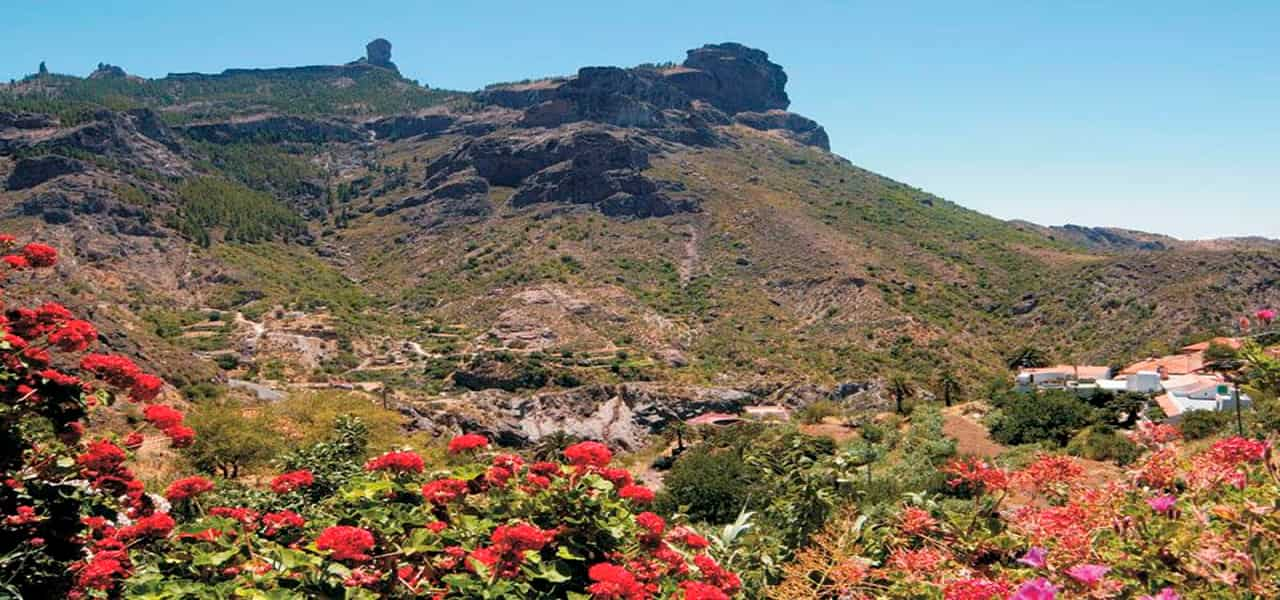
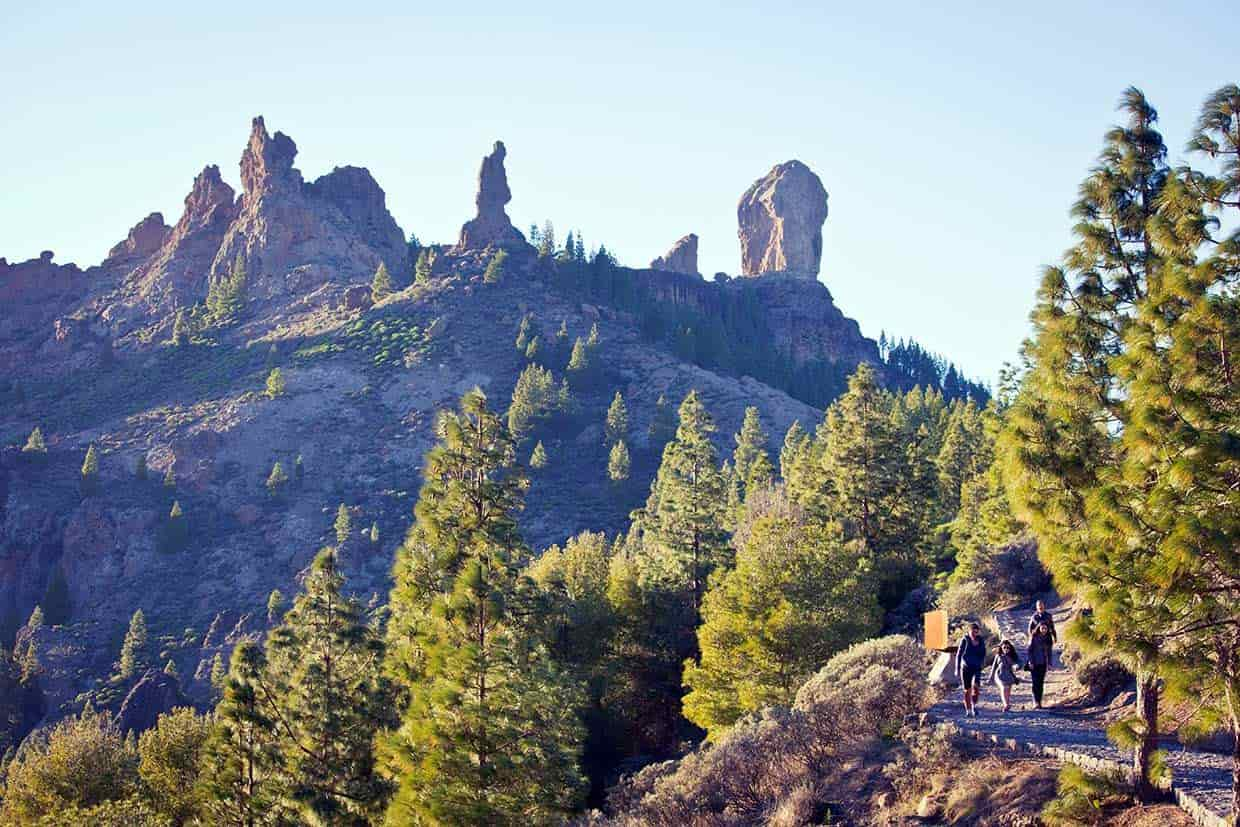
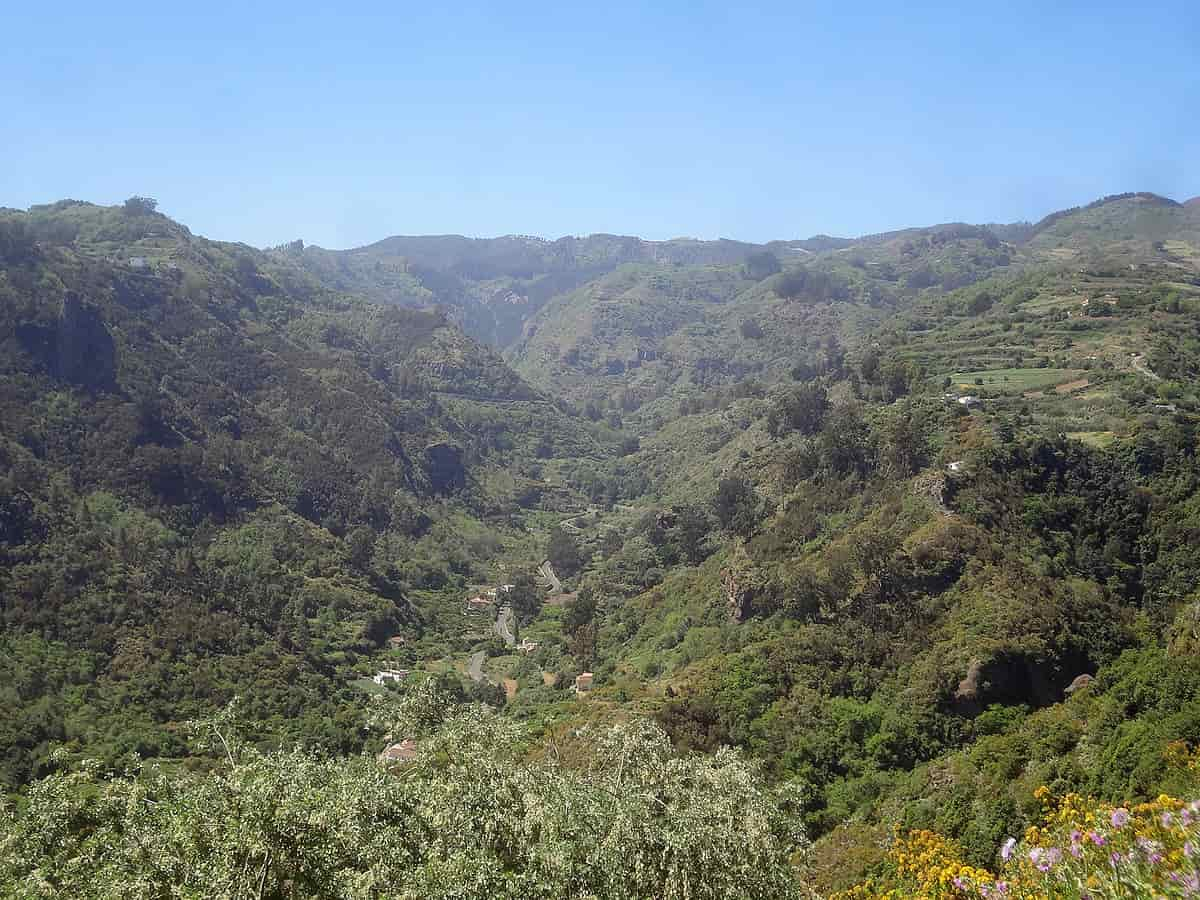
Gran Canaria is remarkably varied, with noticeable differences between the north, the centre of the island and the south. The central regions are greener, with lots of local vegetation, while the south tends to be much drier. Across the island you’ll come across slopes, forests, ravines and dramatic cliffs. Thanks to its mild, spring-like climate throughout the year and its changing landscape, Gran Canaria is an excellent destination for rural tourism.
Gran Canaria’s cuisine blends Spanish tradition with African and South American influences. Its most iconic dishes include papas arrugadas with mojo, ropa vieja, carajacas, caldereta and the popular sancocho, usually served with gofio. You’ll also find comforting homemade recipes such as watercress stew, chickpea soup and potato broth.
In desserts, bienmesabe and huevos mole stand out, alongside a wide selection of tropical fruits such as Canary Island bananas, mango and papaya.
The island’s rum is particularly well known — especially Ron Arehucas, produced in the historic distillery in Arucas, which also features a museum dedicated to its production.
Gran Canaria’s mild climate makes it possible to play golf all year round.
The island offers seven golf courses, all within a 50-kilometre radius and designed to professional standards. Many clubs also run academies for beginners or for those looking to refine their swing, and there are quality accommodation options located close to the courses.
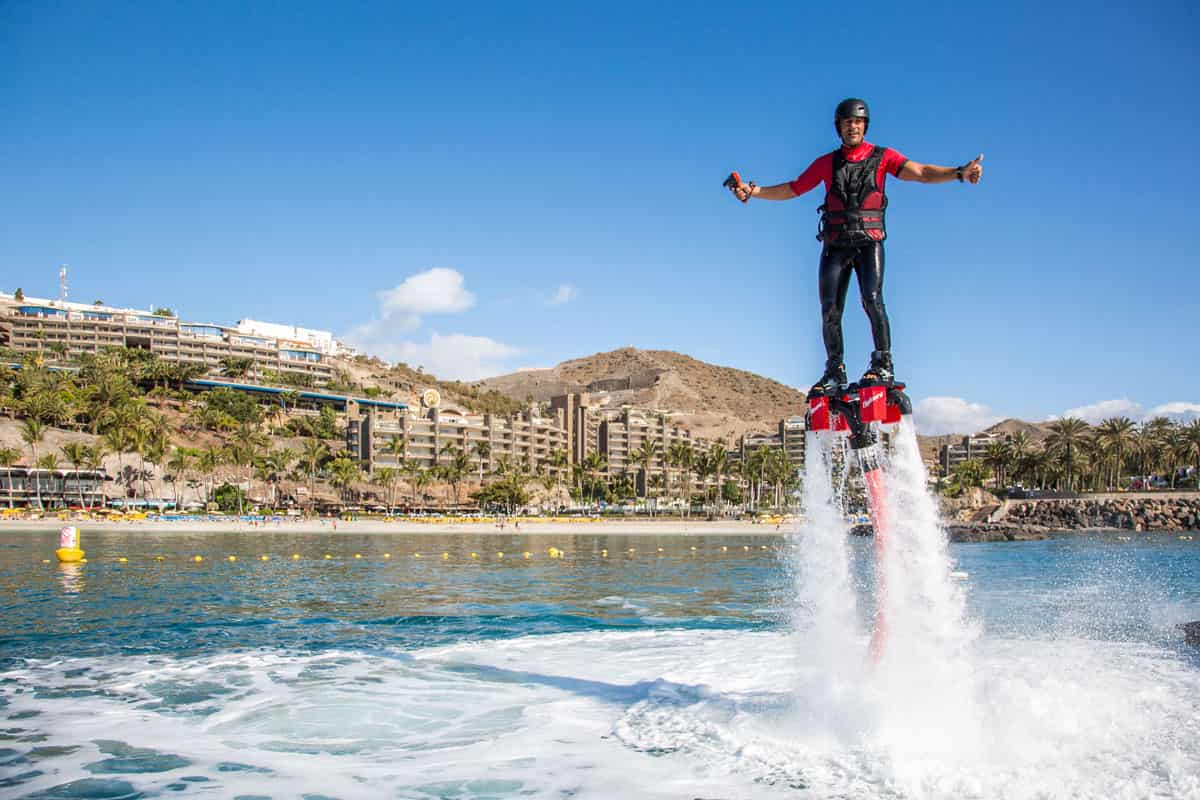
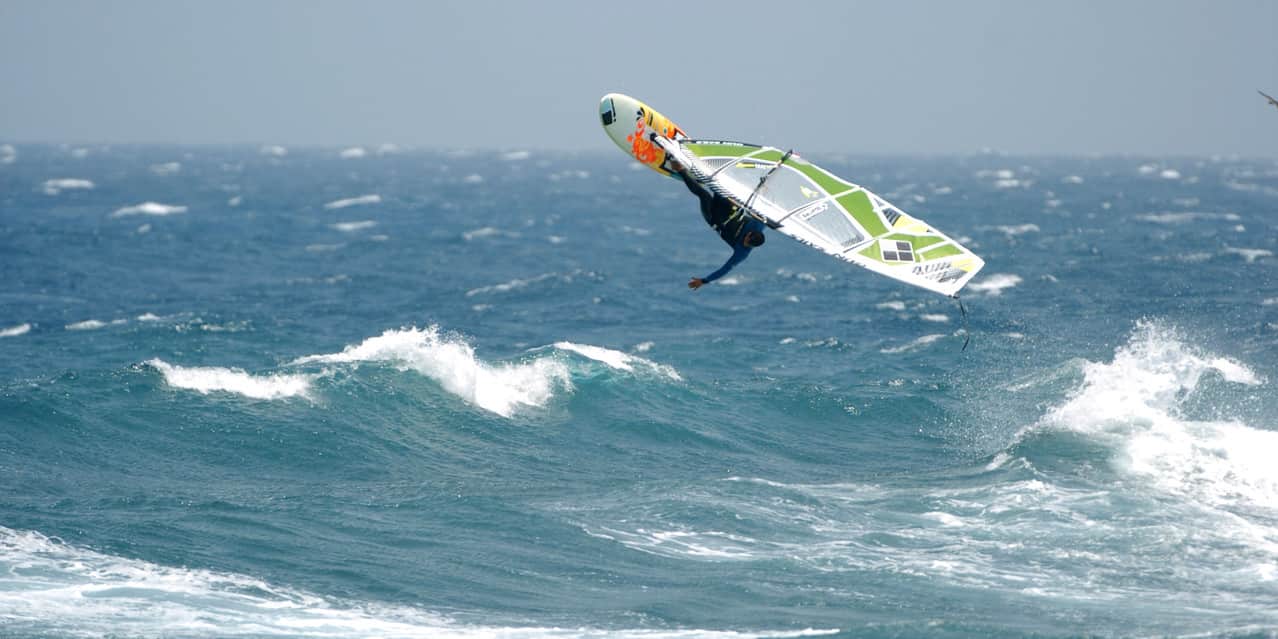
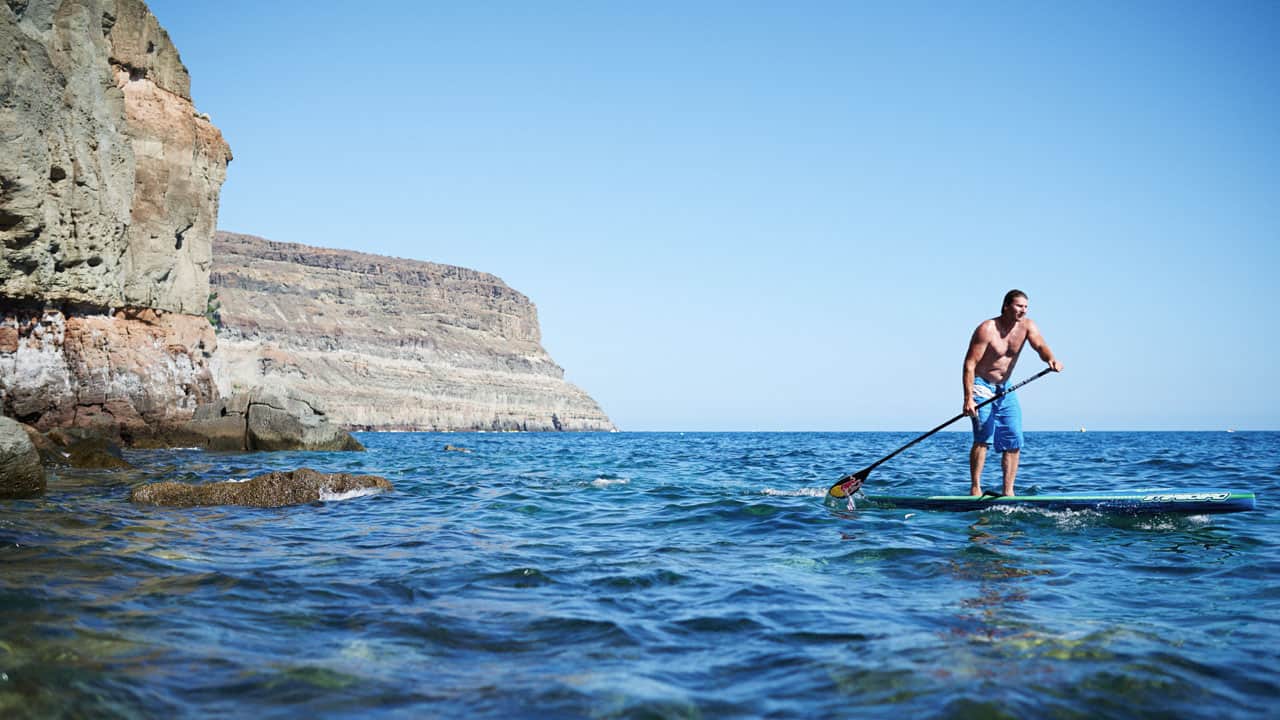
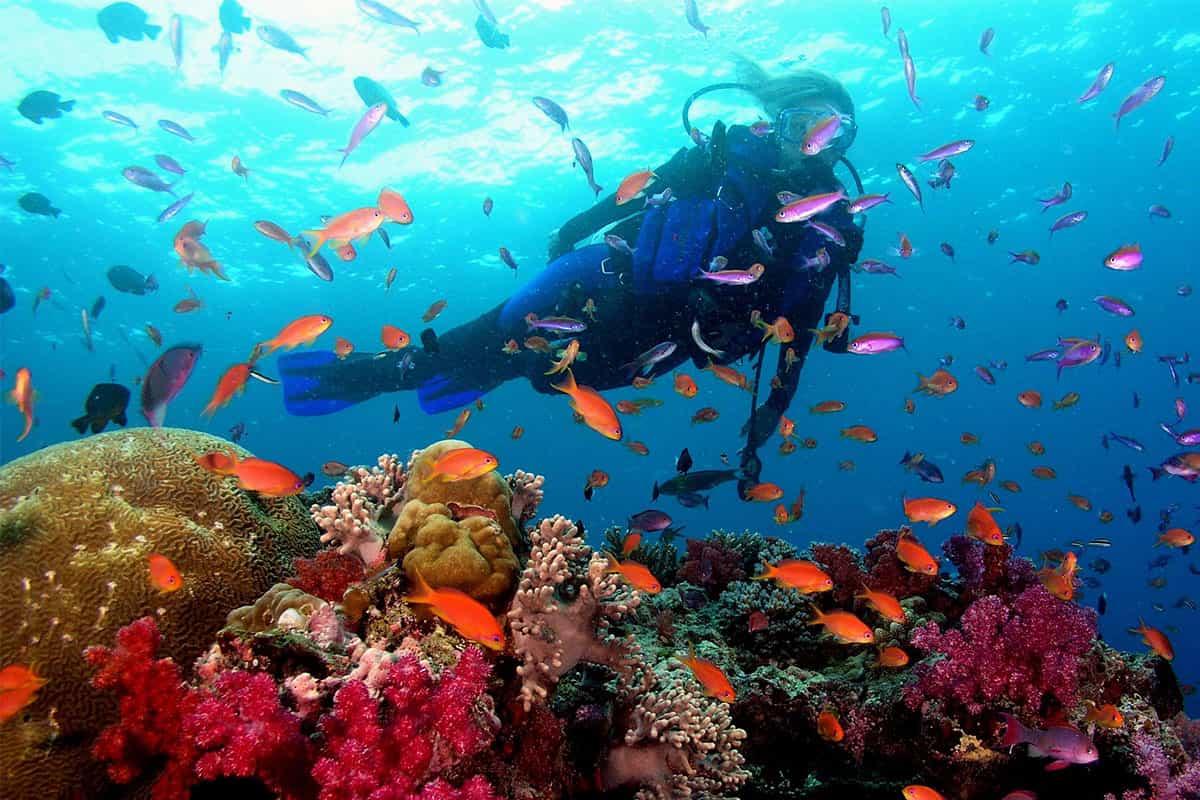
Gran Canaria is an excellent destination for water sports, with options to suit every level and preference. The island has sailing centres in Las Palmas and in the south, offering courses, boat hire and regattas. It is also home to world-renowned windsurfing spots and offers superb conditions for surfing and bodyboarding — particularly in the north, where the waves are stronger and equipment hire is easy to find. Gran Canaria is also a haven for diving, with schools operating throughout the year and iconic locations such as the El Cabron Marine Reserve, which is ideal for underwater photography.
Gran Canaria enjoys a wide and varied nightlife throughout the year, thanks to its pleasant climate and the welcoming nature of its residents. Las Palmas de Gran Canaria offers three key areas to start your night:
Vegueta and Triana are full of restaurants, tapas bars and venues with all kinds of music — Cuban, salsa, jazz and commercial hits.
The Puerto district is the island’s main party hub, with numerous pubs and clubs that stay open late.
In the south of the island, Maspalomas is the centre of nightlife, especially around Playa del Ingles, San Agustín, and most notably Plaza de Maspalomas, where you’ll find plenty of clubs, bars and outdoor terraces. It is one of the liveliest nightlife areas on Gran Canaria.
The island also offers alternatives to the club scene, including live music venues and two casinos: Casino Las Palmas and Casino Gran Canaria.
If you prefer something more relaxed, you can simply enjoy a drink on one of the many terraces or take an evening stroll under the Canarian night sky.
The Carnival of Gran Canaria is the biggest celebration on the island. During its three weeks, the city completely transforms — everyone dresses up, celebrates, socialises and dances. The most popular events include the Grand Parade, which stretches for around seven kilometres and attracts roughly 200,000 people, with close to a hundred floats and dozens of decorated vehicles, and the mogollones, large open-air parties that bring thousands of people together every night to enjoy live music and dancing.
Hiring a car in Gran Canaria gives you the freedom to travel comfortably and make the most of everything the island has to offer — from enjoying a round of golf or visiting a theme park, to experiencing the excitement of Carnival or exploring secluded coves ideal for water sports.
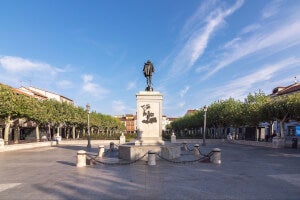
Alcalá de Henares is one of those destinations that has everything you need for a two-day getaway: history, charming streets, excellent cuisine, and corners that transport you to another era. Just over half an hour from Madrid, this city, birthplace of Miguel de Cervantes (1547-1616), invites you to stroll at ...
Málaga becomes the perfect destination when it comes to a Christmas getaway. With the Mediterranean as its backdrop, Málaga is filled with lights, music, and a festive atmosphere, creating a unique ambiance for enjoying a break. DoYouSpain tells you everything you can't miss this Christmas in Malaga. Discover how and ...
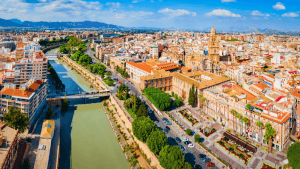
Have a couple of days off and fancy discovering Murcia? Here's our guide to the best things to do in Murcia in a weekend, so you can make the most of your trip. At DoYouSpain, we've put together a route covering the places that are really worth your time. We've ...
Vigo's Christmas lights are switched on in mid-November and stay up until early January. During those weeks, the city centre fills with illuminated streets, Christmas markets and fairground rides, drawing visitors from all over Spain. More than 12 million LED lights have been announced for Christmas 2026-2027, and work on ...
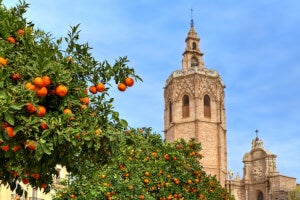
Valencia is one of the top destinations for exploring the Mediterranean by car: beaches, picturesque towns, and rich history. If you are thinking about hiring a car in Valencia with DoYouSpain, this guide covers everything you need to know before booking. We go through the main points to make sure ...
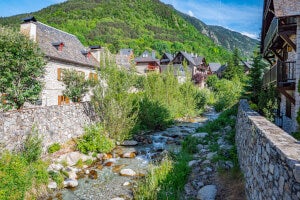
If you want to enjoy nature, great local food, and charming mountain spots, exploring the Catalan Pyrenees by car is a brilliant option. It works well for any type of trip, especially if you're looking to get away from it all. Any time of year is a good time to ...
Alquilar un coche en Cádiz es la mejor opción para descubrir la provincia sin prisa. Te da la libertad de pasar de las playas de la Costa de la Luz a los pueblos de la Sierra de Grazalema en el mismo día, evitando las esperas y las malas combinaciones del ...
Travelling around Spain in autumn is the ideal choice if you want to enjoy a peaceful break at your own pace. Once summer comes to an end, temperatures drop, the roads are far quieter, and prices are usually much lower. It is the perfect time to go on a road ...
Desde DoYouSpain te traemos esta guía para entender cómo funcionan los peajes en España para que tu viaje sea más cómodo, económico y puedas empezar a planear. Saber qué autopistas son de pago y cuáles son gratuitas te ahorrará tiempo y dinero en el viaje. Tener tu itinerario claro antes ...
Bilbao has become a favourite destination for so many travellers, and anyone who visits once almost always comes back. It combines a welcoming atmosphere with friendly locals and, above all, incredible food. Basque cuisine stands out for its ability to innovate without losing touch with its roots, blending creativity with ...
Heading to the Rías Baixas in summer is a great choice if you are looking for a unique and all-round getaway to Northern Spain, stretching across the provinces of Pontevedra and A Coruña. Pleasant temperatures, crystal-clear beaches, traditional fishing villages, and unbeatable food, that is exactly what you will find ...
If you are planning a trip to the Valencian region, flying into Castellon Airport is a great choice. You avoid the long queues and long waiting times of bigger airports like Valencia or Alicante, enjoying a much faster trip and cheaper flight tickets. In this blog from DoYouSpain, we tell ...